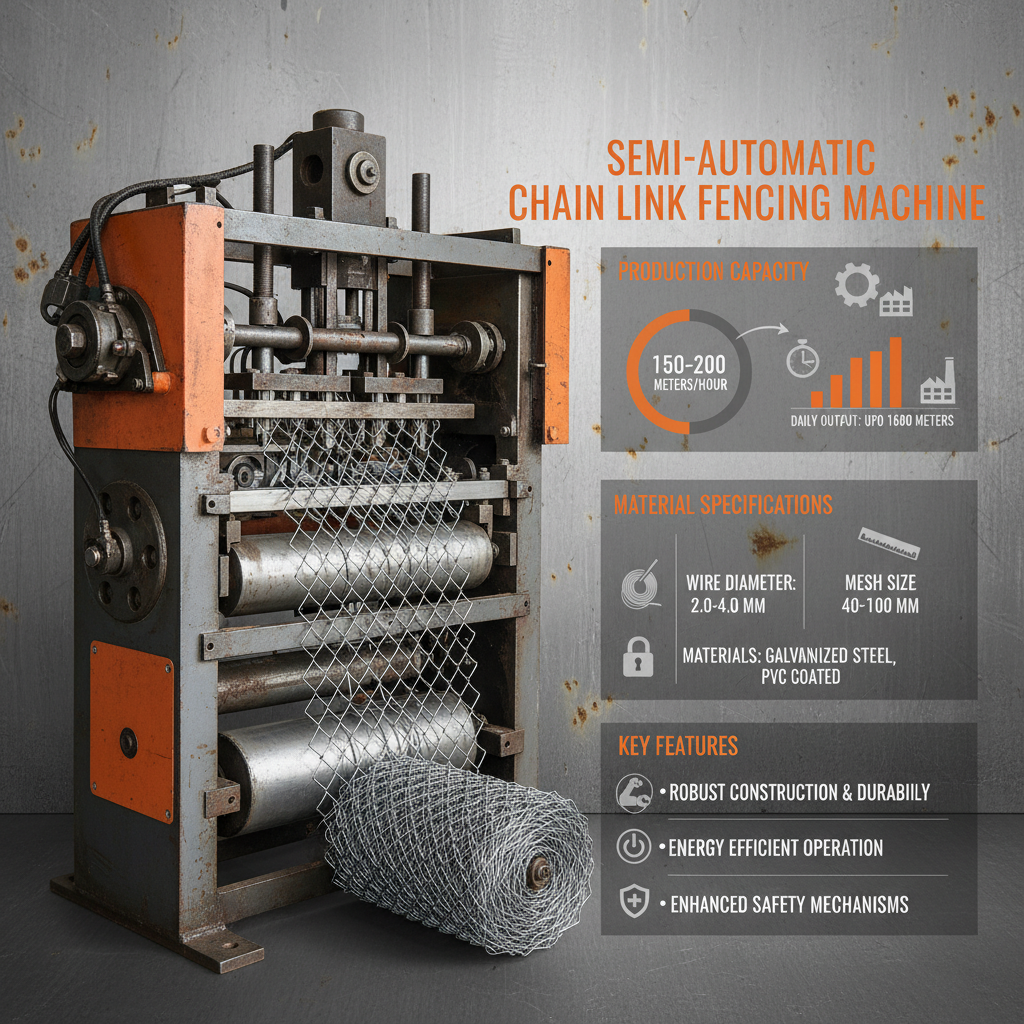
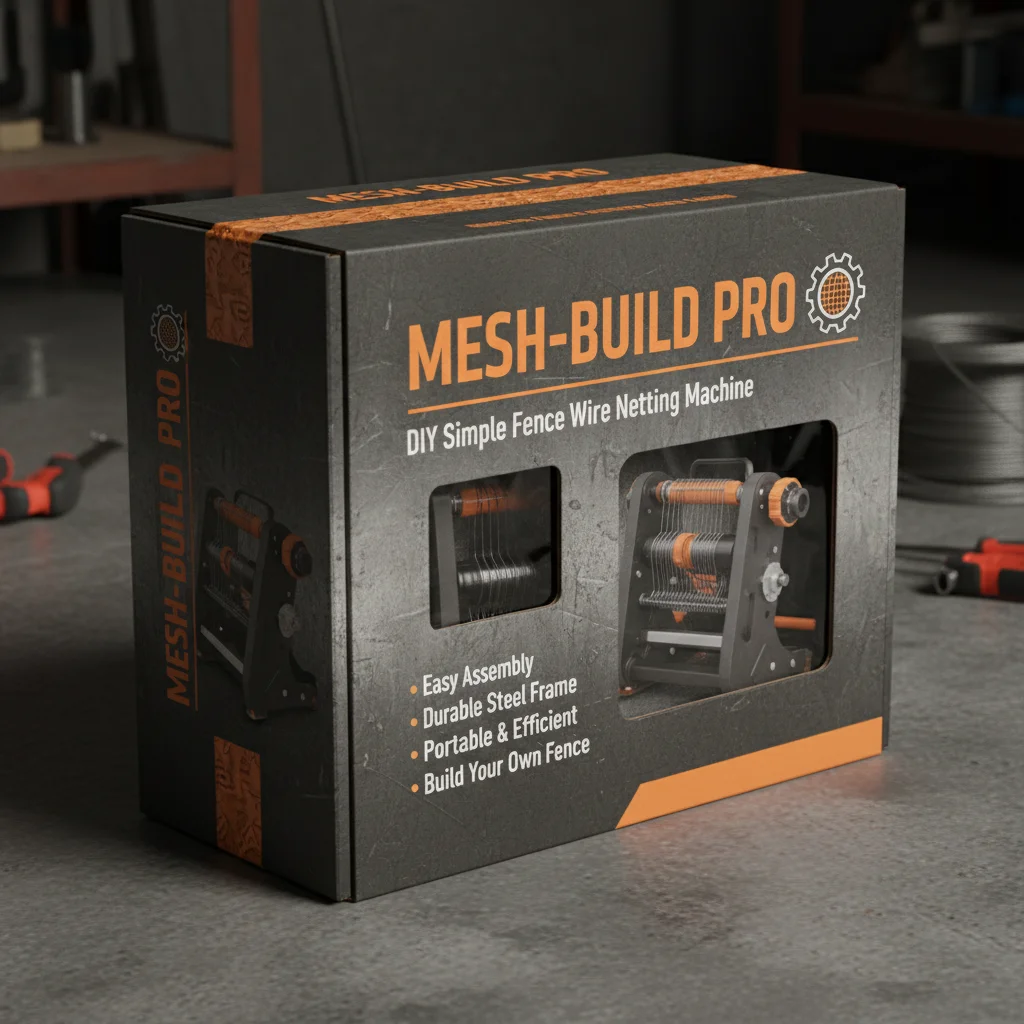
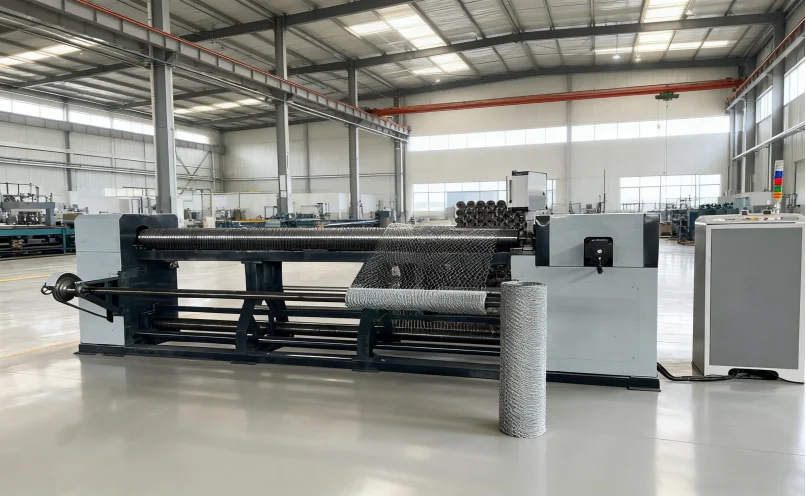
Let’s talk about keeping things secure – and that means chain link fencing. Not the flimsy stuff you see at temporary events, but robust, reliable fencing, particularly when you're looking at a semi automatic chain link fencing machine. I’ve spent the last fifteen years on construction sites, from sprawling highway projects to smaller residential builds, and I can tell you, a good fence isn’t just about keeping people out. It’s about safety, it’s about material security, and frankly, it's about managing liability. The demand for effective perimeter security is only increasing, driven by everything from increased theft to stricter site safety regulations.
The interesting thing is, a lot of projects still rely on entirely manual fence installation, which is slow, expensive, and frankly, inconsistent. That’s where semi automatic chain link fencing machines come in. They bridge the gap between the slow, labor-intensive manual methods and the full automation that's often overkill for smaller to medium-sized jobs. We're talking about a real boost in efficiency and a more consistent quality of work. I’ve seen crews cut install times by nearly 40% simply by incorporating a semi-automatic machine into their workflow.
And it’s not just about speed. With material costs constantly fluctuating, reducing waste is crucial. A properly operated machine minimizes material handling and ensures tighter, more efficient weaving, meaning less scrap and lower overall project costs. I’ve been on jobs where just minimizing waste on the fencing material alone saved the company thousands. It's the kind of thing that gets you noticed, and more importantly, keeps the project on budget.
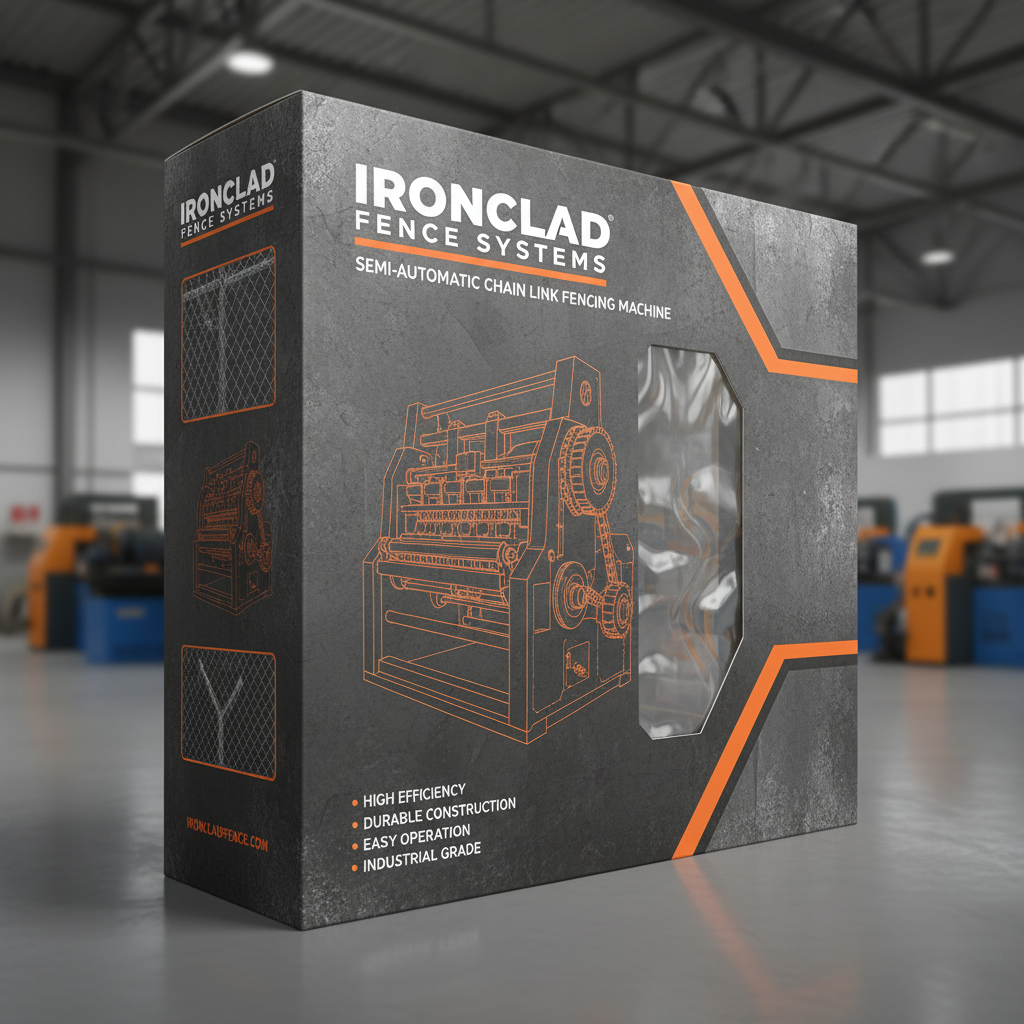
The Importance of Semi Automatic Chain Link Fencing Machine
Look, in my experience, a secure perimeter is non-negotiable. From construction sites to agricultural land and even residential properties, the need for effective fencing is constant. The increasing cost of materials and the risk of theft demand more efficient and reliable solutions. A semi automatic chain link fencing machine provides a sweet spot – balancing speed, cost, and quality, and frankly, it's becoming increasingly essential.
The global market for fencing, and chain link specifically, is substantial. Reports consistently show growth, particularly in developing nations undergoing rapid infrastructure expansion. This growth isn't just driven by new construction; it’s also about replacing aging infrastructure and improving security measures. Investing in efficient fencing solutions, like these machines, isn't just good practice; it’s a smart business move.
Defining Semi Automatic Chain Link Fencing Machine
Simply put, a semi automatic chain link fencing machine takes a lot of the manual labor out of creating chain link fabric. Instead of hand-weaving the wire, the machine does the bulk of the work, guided by an operator. It’s not fully automated – you still need someone to feed the wire, monitor the process, and make adjustments – but it significantly speeds up production and ensures a more consistent weave.
Think of it as a power tool for fencing. It doesn’t replace the skilled worker, but it amplifies their abilities. This is particularly important in situations where you need a large quantity of fencing quickly, like securing a large construction site or agricultural field. It's a vital tool for bridging the gap between small, manual jobs and the high investment of full automation.
This technology connects directly to modern construction and infrastructure needs. Demand for rapid deployment and secure perimeters is soaring, and a semi-automatic machine allows contractors to meet those demands without being entirely reliant on a large, and often expensive, labor force. It’s about efficiency, consistency, and ultimately, getting the job done right.
Key Components and Operational Factors
The core of any semi automatic chain link fencing machine is its weaving mechanism – the cams, gears, and rollers that interlock the wires to form the diamond pattern. The quality of these components directly impacts the durability and consistency of the fence. Look for machines built with hardened steel and precision engineering.
Another critical factor is the wire feeding system. A smooth, reliable feed is essential for consistent weave tension. Jammed or inconsistent feeding leads to weak spots and wasted material. Good machines have adjustable tension controls and robust feed rollers. Proper training on wire loading and adjustment is absolutely essential for operators.
Finally, the control panel and operator interface are key. A user-friendly interface makes it easier to adjust settings, monitor the process, and troubleshoot issues. Safety features, like emergency stop buttons and protective guards, are non-negotiable. We’ve seen too many incidents where a lack of proper safety features resulted in injuries.
Global Applications and Use Cases
These machines aren't confined to a single industry. I’ve seen them used extensively in construction, obviously, for site perimeters and material storage. But they're also valuable in agriculture for livestock containment and crop protection. In the security sector, they’re used to create high-security fences around sensitive facilities.
In regions undergoing rapid development, like parts of Southeast Asia and Africa, the demand is particularly high. Infrastructure projects require large quantities of fencing quickly, and these machines offer a cost-effective solution. We've also seen increased use in disaster relief scenarios, where temporary fencing is needed to secure affected areas.
Even in developed countries, the need for efficient fencing remains strong. Municipalities use them for park boundaries and recreational areas, while private landowners employ them for residential fencing. The versatility of the machine, combined with the durability of chain link, makes it a practical solution across a wide range of applications.
Semi Automatic Chain Link Fencing Machine Performance Metrics
Advantages and Long-Term Value Proposition
Let’s talk about the bottom line. A semi automatic chain link fencing machine isn’t just about initial cost savings; it’s about long-term value. Reduced labor costs, minimized material waste, and increased production speed all contribute to a higher return on investment. That translates to more profitable projects and a stronger competitive edge.
Beyond the financial benefits, there’s the aspect of safety and reliability. A consistently woven fence is a stronger fence, providing better security and reducing the risk of breaches. This has a direct impact on protecting assets and minimizing liability – something that’s becoming increasingly important in today’s litigious environment.
Future Trends in Chain Link Fencing Technology
We're seeing a move towards more durable coatings and corrosion-resistant materials for chain link wire. This extends the lifespan of the fence and reduces maintenance costs. Simultaneously, there’s growing interest in integrating smart technology – sensors and monitoring systems – directly into the fencing itself.
I also anticipate further advancements in semi-automatic machine technology, with a focus on increased automation, improved user interfaces, and enhanced safety features. The integration of AI and machine learning could potentially optimize weaving patterns and reduce waste even further.
Challenges and Practical Solutions
One common challenge is operator training. A semi automatic chain link fencing machine requires skilled operators to achieve optimal performance. Proper training on machine operation, maintenance, and safety is essential. Manufacturers should offer comprehensive training programs.
Another issue can be dealing with variations in wire quality. Inconsistent wire diameter or tension can affect the weave. It’s crucial to source high-quality wire from reputable suppliers and to regularly inspect the wire before loading it into the machine.
Finally, maintenance is key. Regular lubrication, cleaning, and inspection are essential to prevent breakdowns and ensure long-term reliability. A proactive maintenance schedule can save significant time and money in the long run.
Common Challenges and Solutions in Semi Automatic Chain Link Fencing Machine Operation
| Challenge |
Impact |
Solution |
Preventive Measure |
| Inconsistent Wire Feed |
Uneven Weave, Material Waste |
Adjust Tension Controls, Clean Feed Rollers |
Regular Wire Inspection, Quality Control |
| Operator Error |
Machine Damage, Safety Risks |
Comprehensive Training, Clear Procedures |
Ongoing Skill Assessment, Supervision |
| Lack of Maintenance |
Breakdowns, Reduced Efficiency |
Scheduled Lubrication, Component Replacement |
Detailed Maintenance Log, Proactive Inspections |
| Wire Material Quality |
Corrosion, Weak Fence Integrity |
Source from Reputable Suppliers, Verify Specifications |
Material Testing, Protective Coatings |
| Incorrect Machine Settings |
Suboptimal Fence Dimensions, Inefficiency |
Accurate Measurement, Precise Adjustments |
Standardized Setup Procedures, Calibration |
| Emergency Stop Failures |
Safety Hazard, Potential Injury |
Regular Testing, Immediate Replacement |
Safety Training, Routine Inspections |
FAQS
Generally, depending on your project volume and existing labor costs, you can expect to see a return on investment within 12-24 months. The reduction in labor hours, combined with decreased material waste, typically offsets the initial machine cost within this timeframe. It’s a significant upfront investment, but the long-term savings are substantial, especially for contractors consistently working on fencing projects. It also frees up your skilled labor to focus on more complex tasks.
Comprehensive training is crucial. Operators need to understand machine setup, wire loading, tension control, troubleshooting, and most importantly, safety procedures. Good manufacturers offer on-site training programs, typically lasting 2-3 days. Beyond that, ongoing skill development and refresher courses are highly recommended. Neglecting training can lead to machine damage, safety hazards, and poor-quality fencing.
Regular maintenance is vital. This includes daily lubrication of moving parts, weekly cleaning of the weaving mechanism, and periodic inspection of belts, gears, and bearings. A detailed maintenance schedule should be followed, and any worn or damaged parts should be replaced immediately. Preventive maintenance will significantly extend the life of the machine and minimize downtime.
Production rates vary depending on wire gauge, mesh size, and operator skill, but a typical semi-automatic machine can produce between 50 to 100 feet of chain link fabric per hour. This is significantly faster than manual weaving, which typically yields around 15-20 feet per hour. The increased speed allows contractors to complete projects more quickly and take on a larger volume of work.
Prioritize machines with robust safety features, including emergency stop buttons within easy reach, protective guards around moving parts, and a secure wire feeding system. Look for machines that comply with relevant safety standards and certifications. Safety training for operators is also paramount. Never compromise on safety – it’s the most important factor.
Most semi-automatic machines are designed to accommodate a range of wire gauges and mesh sizes. However, it’s crucial to check the manufacturer’s specifications to ensure the machine can handle your specific requirements. Some machines have adjustable components that allow for easy switching between different wire types and mesh patterns. Versatility is a key benefit to look for.
Conclusion
In conclusion, a semi automatic chain link fencing machine isn’t just a piece of equipment; it’s a strategic investment. It delivers increased efficiency, reduced costs, and improved safety, making it a valuable asset for any fencing contractor or operation requiring secure perimeter solutions. The benefits extend beyond the immediate project, impacting long-term profitability and competitiveness.
Looking ahead, the demand for efficient and reliable fencing will only continue to grow. Investing in the right equipment – and ensuring your team is properly trained to operate it – will position you for success in a rapidly evolving market. For more information and to explore the range of semi-automatic chain link fencing machines available, visit our website: www.htmeshmachines.com.