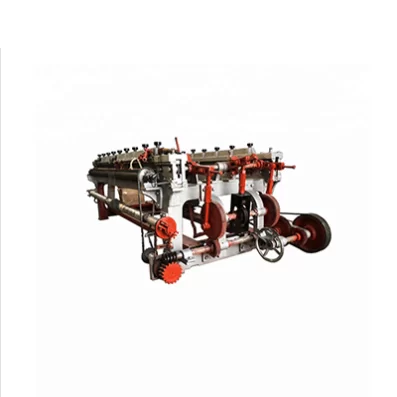
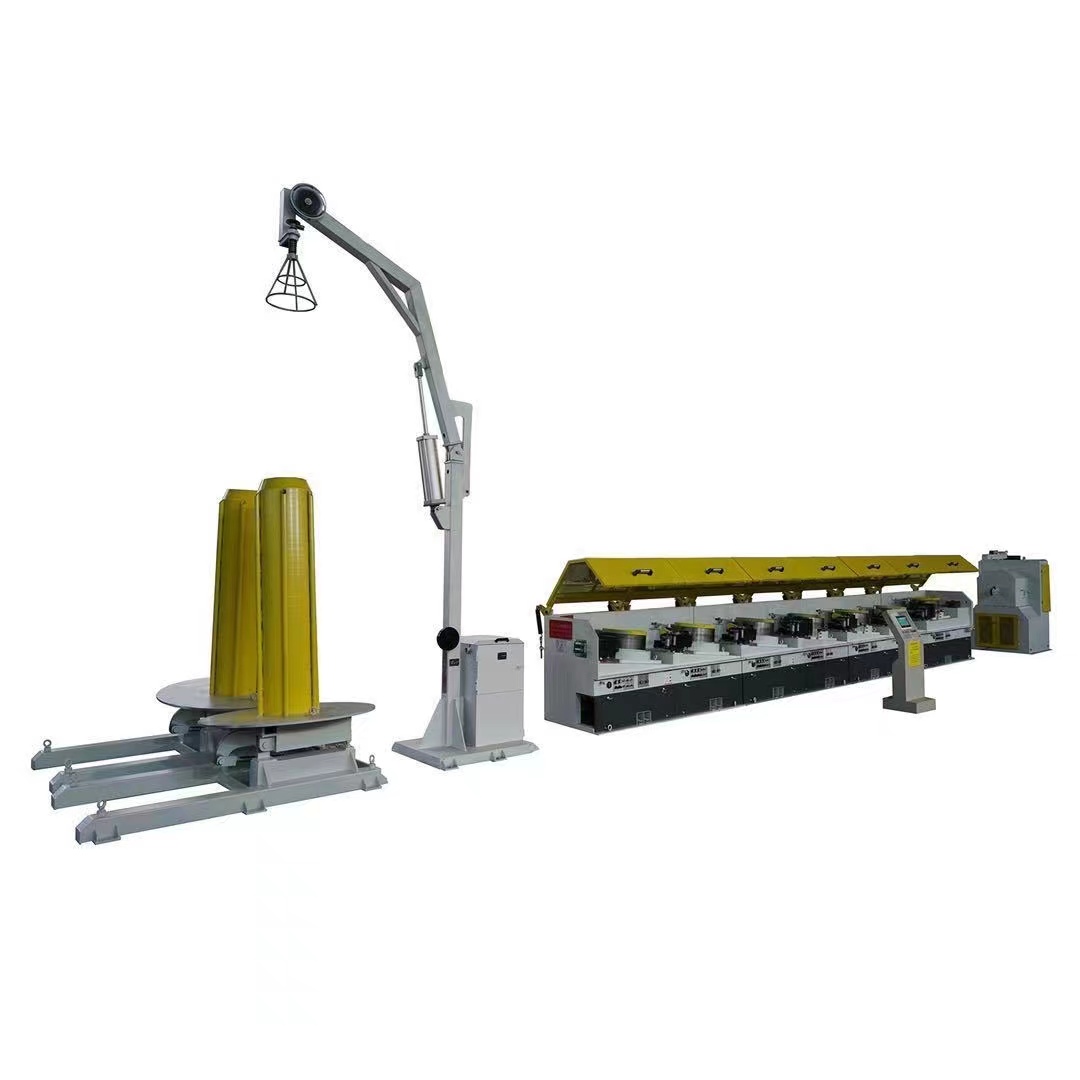
Industrial Fencing Solutions with automatic welded wire mesh machine in Kenya

Empowering Kenya's infrastructure and agricultural security with high-precision wire mesh and fencing machinery engineered for durability and efficiency.

Industrial Fencing Solutions with automatic welded wire mesh machine in Kenya

Comprehensive machinery systems designed to meet the rigorous demands of the Kenyan construction, mining, and livestock sectors, ensuring high-output production of secure fencing.

Analysis of Wire Mesh Machinery Market in Kenya

Evaluating the impact of regional infrastructure growth on the demand for automated fencing equipment.

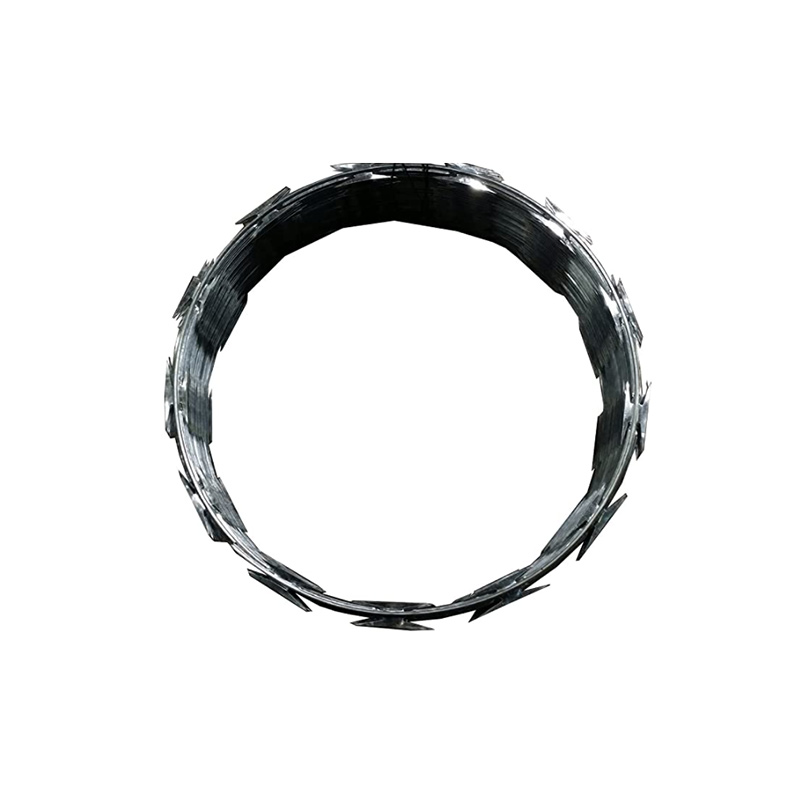
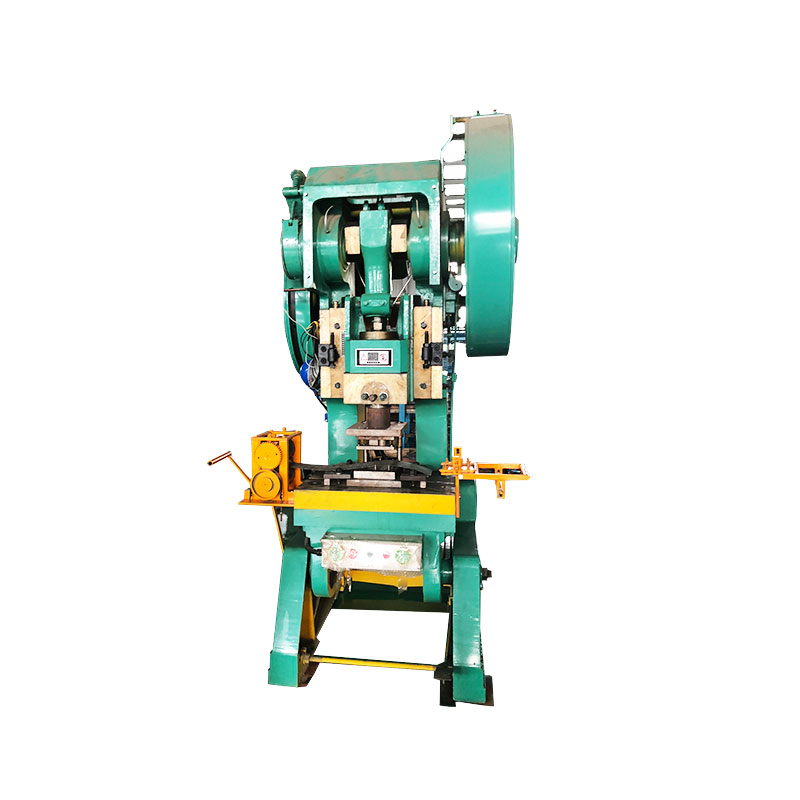
Kenya's manufacturing landscape is currently driven by rapid urbanization and a booming agricultural sector. The demand for high-security perimeter fencing has surged, leading to a transition from manual weaving to the adoption of the razor barbed wire machine to protect critical infrastructure and commercial estates in Nairobi and Mombasa.

Geographically, the diverse terrain of the Rift Valley and coastal regions requires specialized soil stabilization and erosion control. This has created a significant market gap for the gabion machine, as the Kenyan government increases investment in road construction and riverbank reinforcement to combat seasonal flooding.

Furthermore, the livestock industry in rural Kenya is evolving. To manage large-scale cattle and goat farming more effectively, there is a growing shift toward mechanized production of fencing, specifically utilizing the grassland field fence machine to replace outdated, labor-intensive manual methods.
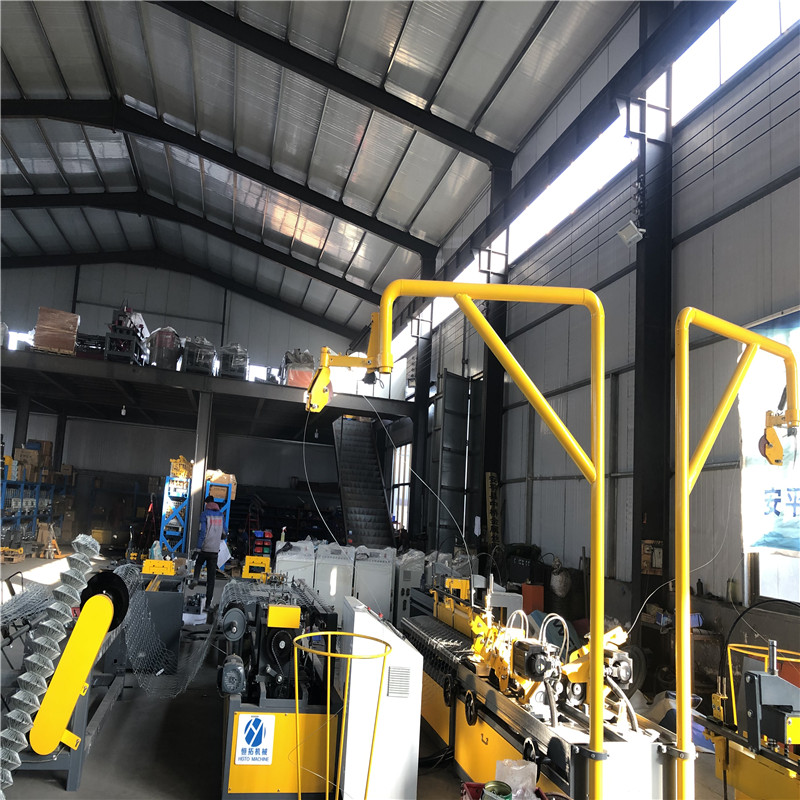
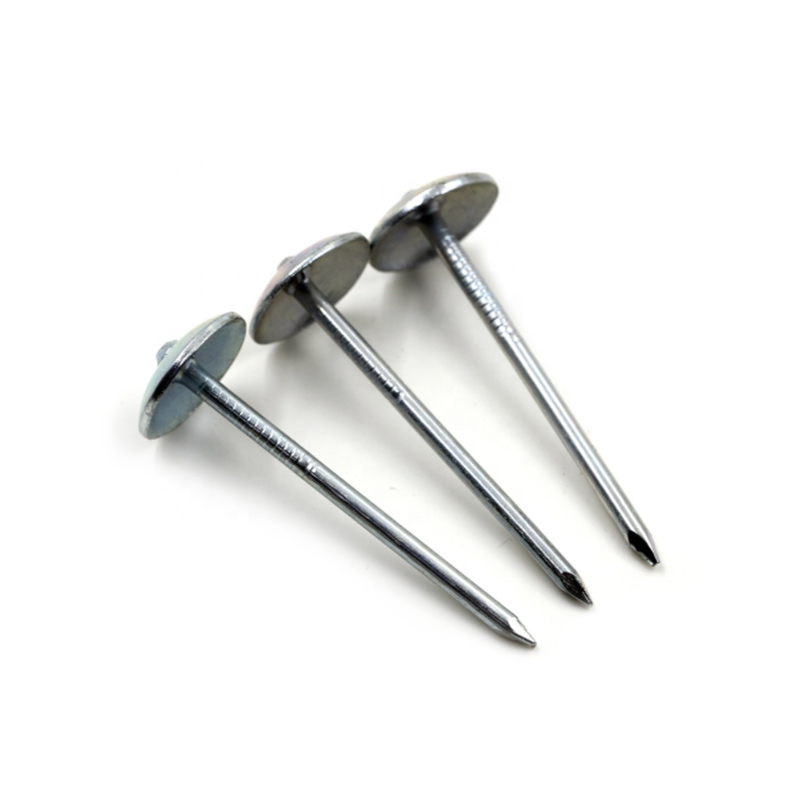
Evolution of Fencing Technology in East Africa

From manual craftsmanship to fully integrated automatic production lines.

Market Development History

In the early 2000s, the Kenyan wire market relied heavily on basic manual twisting and imported finished rolls. Production was fragmented, and quality varied significantly, with prop barbed wire being produced via simple mechanical looms with low consistency.

Between 2010 and 2020, the "Industrialization Vision" led to the introduction of semi-automatic equipment. Local manufacturers began integrating PLC-controlled systems, which significantly increased the output of welded mesh and expanded the capacity for residential security fencing.

Since 2021, the market has entered the era of "Smart Manufacturing." The focus has shifted toward high-speed, low-waste automation, where precision welding and automatic cutting have become the standard for competitive industrial production in Kenya.

Future Development Trends

Integration of IoT Monitoring

Future machinery will feature remote diagnostics and real-time production tracking to minimize downtime in Kenyan factories.

Energy-Efficient Power Systems

With the rise of green energy in Kenya, equipment is evolving to operate on optimized power grids and hybrid energy sources.

Multi-Functional Hybrid Lines

The trend is moving toward modular machines that can switch between different mesh patterns and wire gauges with minimal reconfiguration.

Future Trends and Strategic Outlook for Kenya

Predicting the technological trajectory of the dedicated equipment manufacturing sector.

High-Speed Automation
Accelerating the adoption of CNC-driven systems to reduce labor costs and increase precision in mesh production.
Material Optimization
Implementing advanced tensioning and cutting algorithms to minimize raw steel wire waste during manufacturing.
Corrosion-Resistant Tech
Enhancing machinery to handle specialized coated wires for Kenya's humid coastal environments.
Modular Scalability
Designing equipment that allows Kenyan SMEs to expand production capacity incrementally.

Industry Outlook

The outlook for the Kenyan wire mesh industry is highly positive, with search trends indicating a surge in "automatic production" and "infrastructure security." As the East African Community (EAC) integrates further, Kenya is positioned to become a regional hub for high-quality fencing exports.

Within the next 3-5 years, we anticipate a shift toward specialized machinery that produces hybrid fencing—combining the strength of welded mesh with the deterrence of razor wire—to meet the complex security needs of urban industrial parks.

Localized Application Scenarios in Kenya

Real-world implementations of wire mesh machinery across diverse Kenyan sectors.

01. Urban Security in Nairobi

High-density residential and commercial areas utilize the razor barbed wire machine to produce high-deterrent security barriers for wall-top installations.

02. Rift Valley Livestock Management

Large-scale farms implement the grassland field fence machine to create durable, livestock-proof boundaries that resist grazing pressure.

03. Highway and Bridge Stabilization

Kenya National Highways Authority projects leverage the gabion machine for producing heavy-duty wire baskets used in slope stabilization.

04. Industrial Park Enclosures

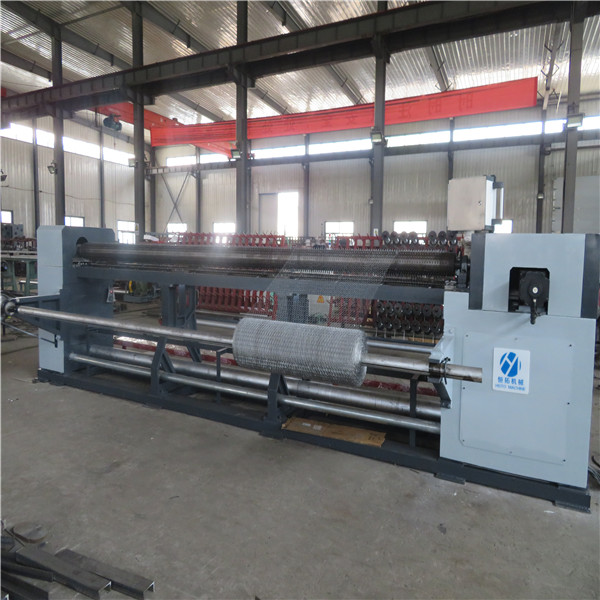
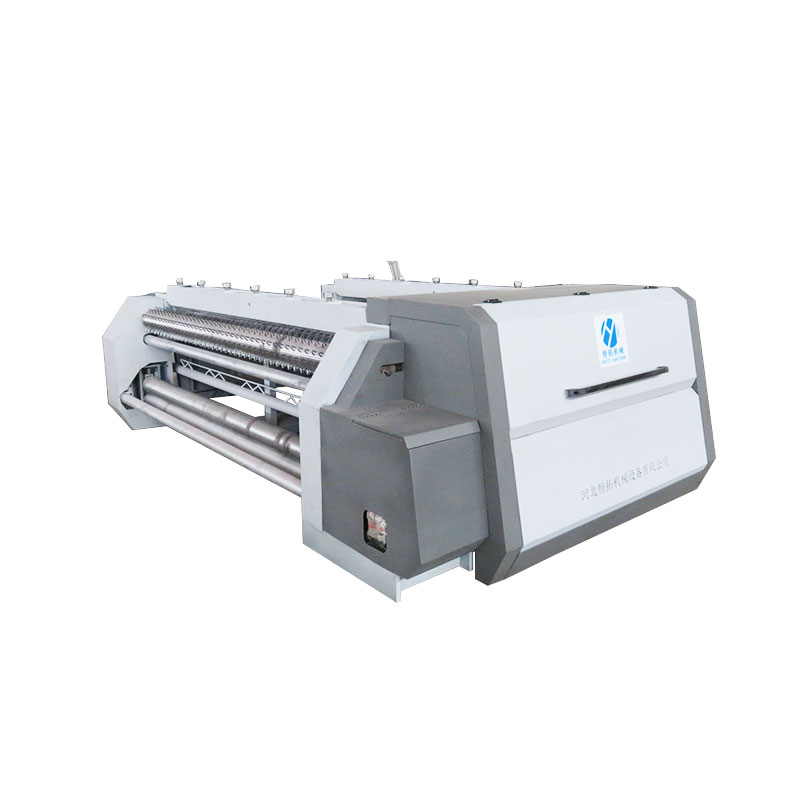
Newly developed Special Economic Zones (SEZs) use the automatic welded wire mesh machine for perimeter walls and internal partitioning.

05. Agricultural Perimeter Guarding

Small-to-medium scale crop farmers deploy prop barbed wire to prevent animal intrusions and define land ownership boundaries.

Brand Story

Global Development Journey of Hebei Mingyang Intelligent Equipment Co., Ltd.

Foundational Engineering

Started with a focus on precision mechanical components, solving the core issue of wire tensioning in early mesh looms.

Automation Breakthrough

Developed the first generation of PLC-controlled welding systems, eliminating manual errors and doubling production speeds.

Global Market Entry

Expanded operations to Africa and Southeast Asia, tailoring machinery to survive harsh environments and variable power grids.

Intelligent Integration

Integrated smart sensors and automatic cutting modules, reducing raw material waste by 15% for our global clients.

Sustainable Future

Committed to providing energy-efficient manufacturing solutions that empower local industries in developing nations.

Kenya Market FAQ

Expert answers to common technical and commercial questions regarding wire machinery.

How to choose the right automatic welded wire mesh machine for a startup in Kenya?

Startups should focus on modular machines that offer adjustable mesh sizes and a balance between manual loading and automatic welding to optimize initial investment.

What is the maintenance cycle for a razor barbed wire machine in coastal humid areas?

In humid regions like Mombasa, we recommend weekly lubrication of moving parts and using anti-corrosive coatings on the machine frame to prevent rust.

Can a gabion machine produce various cage sizes for different road projects?

Yes, our machines are designed with adjustable guides and programmable controllers, allowing you to switch between different cage dimensions quickly.

What wire gauge is most suitable for a grassland field fence machine in the Rift Valley?

For cattle and livestock, we recommend a wire gauge between 2.0mm and 3.0mm, depending on the livestock size and the required fence tension.

Is prop barbed wire production more efficient than standard barbed wire?

Prop barbed wire offers higher structural integrity and is produced using specialized tensioning techniques that ensure the barbs remain fixed during installation.

What power requirements are needed for fully automatic fencing lines in Kenya?

Most of our automatic lines require a stable 3-phase power supply; however, we provide voltage stabilizers to protect the electronics from local grid fluctuations.

Ready to Automate Your Production?

Contact our engineering team to get a customized machinery layout for your factory in Kenya.

Contact Us Now

If you are interested in our products, you can choose to leave your information here, and we will be in touch with you shortly.

  • captcha