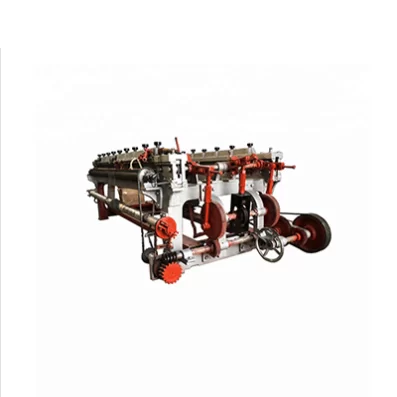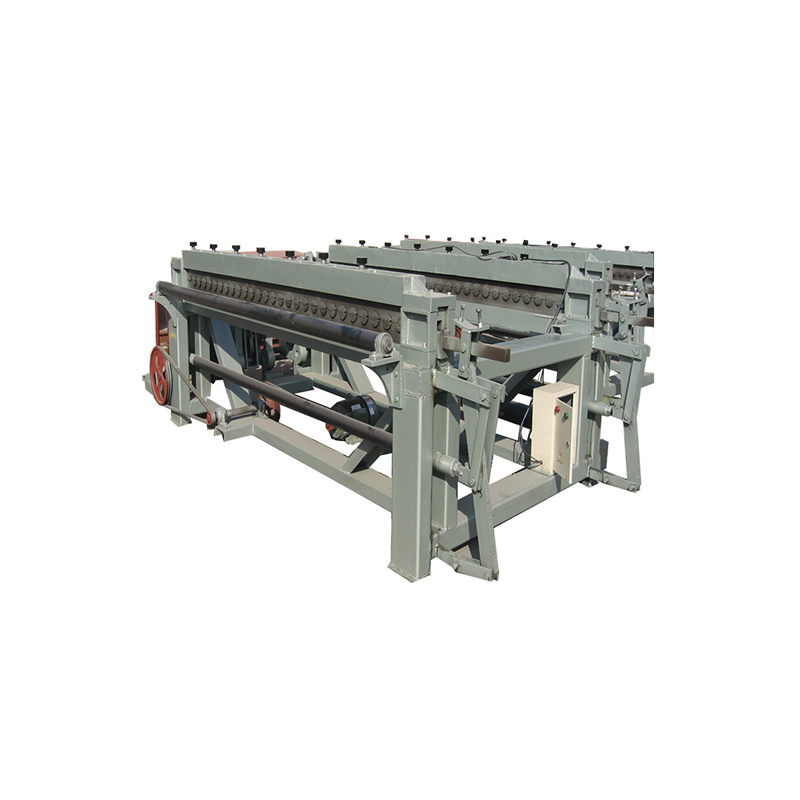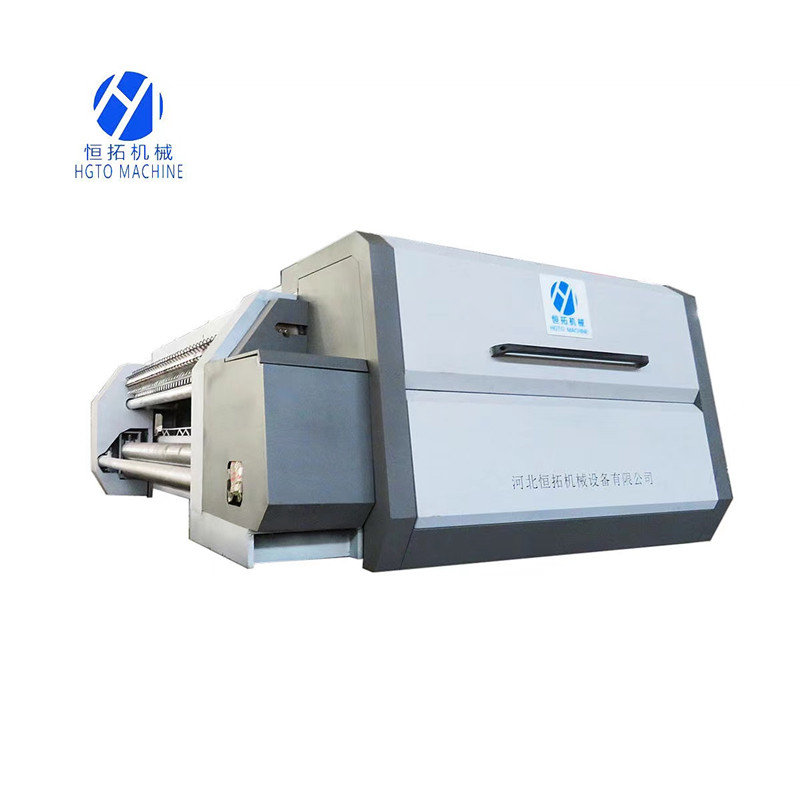
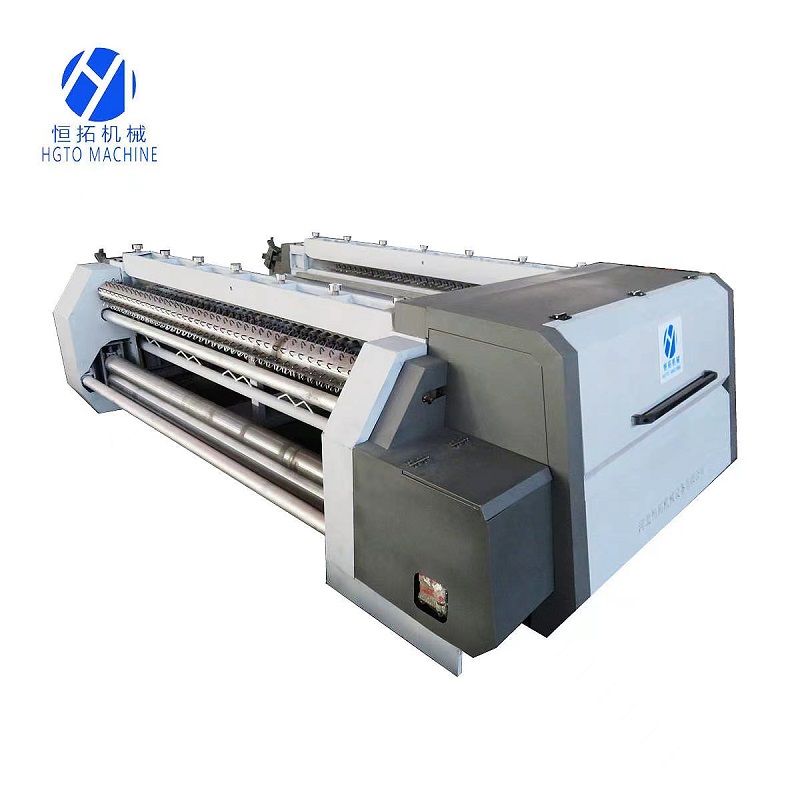
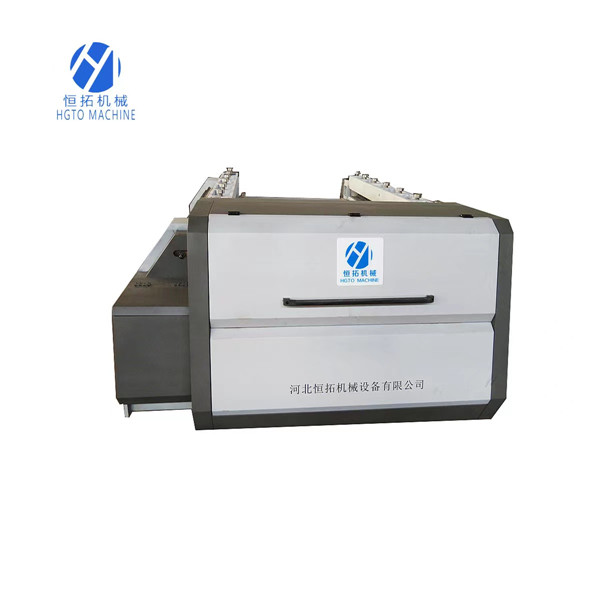
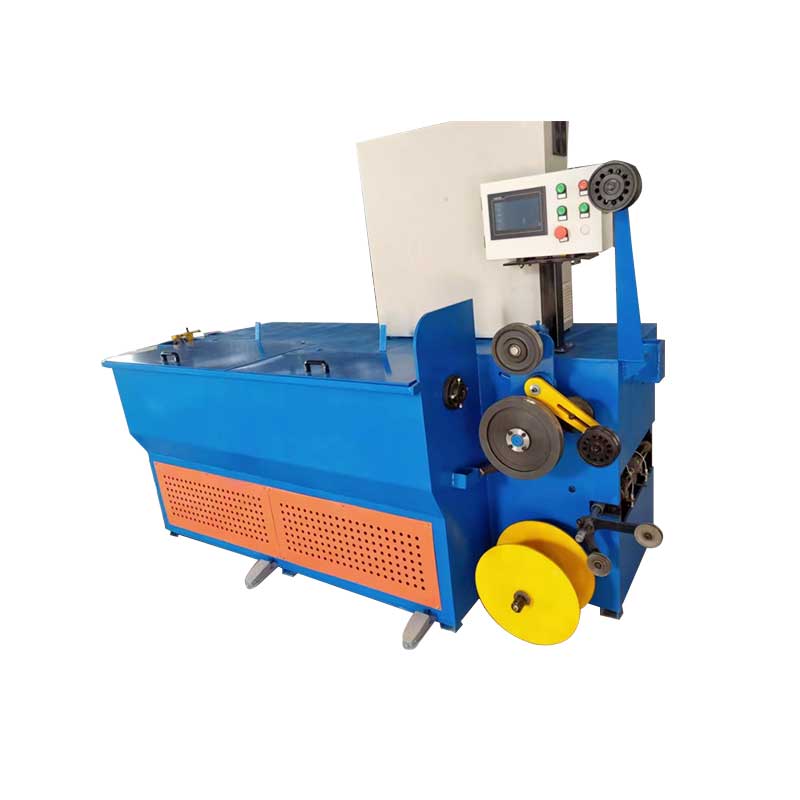
Tanzania is currently experiencing a surge in infrastructure development and agricultural expansion. The demand for security fencing and erosion control is high, but much of the production relies on semi-automatic or outdated equipment. This creates a gap in the market for a high-performance gabion machine to support the construction of roads and riverbank stabilization in regions like Arusha and Dar es Salaam.
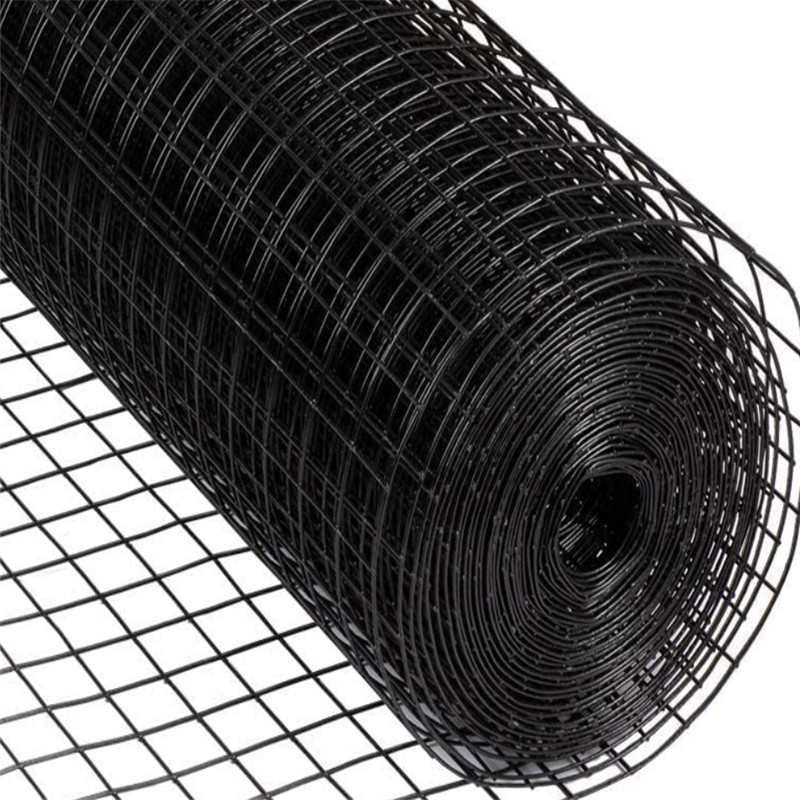
The local climate, characterized by high humidity in coastal areas and intense heat in the interior, requires machinery that is not only efficient but also resistant to corrosion and wear. Many local operators struggle with frequent downtime due to the lack of precision engineering in their current setups, making the transition to an automatic welded wire mesh machine a strategic necessity for scalability.
Furthermore, the expansion of livestock farming in the Tanzanian highlands has increased the need for specialized boundary markers. The market is shifting from basic wire to more complex solutions produced by a grassland field fence machine, which offers better durability against wild animals and environmental stress.