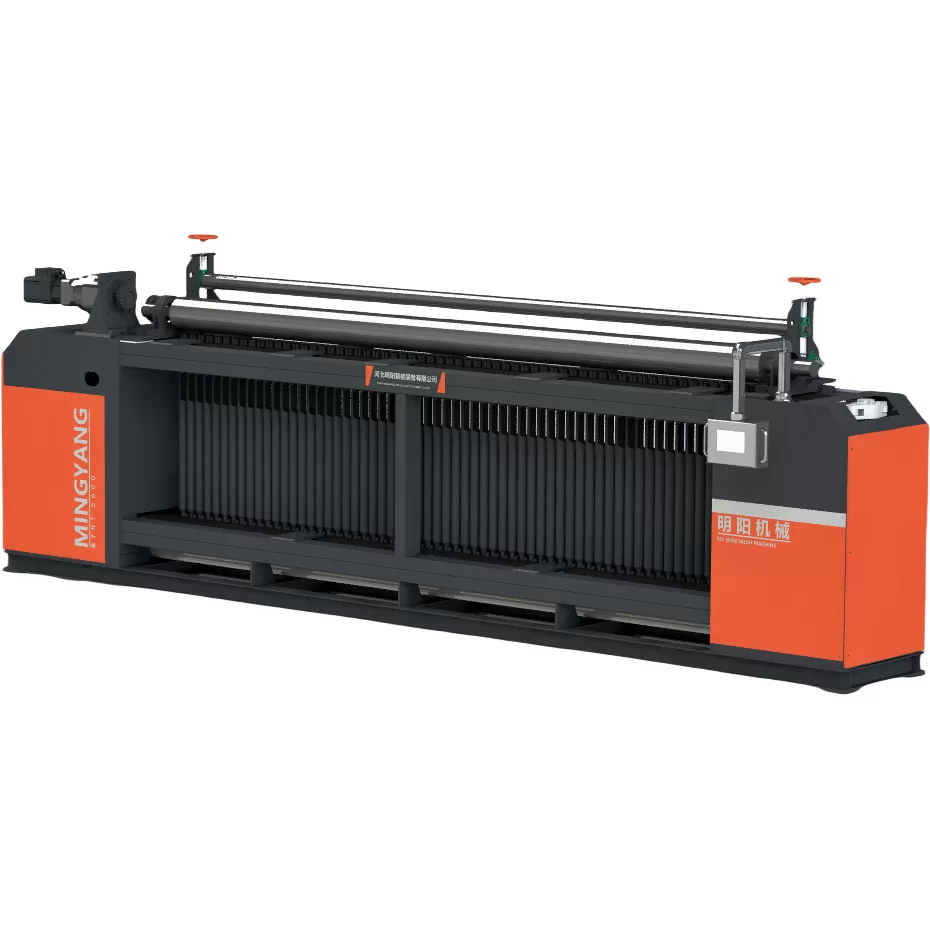
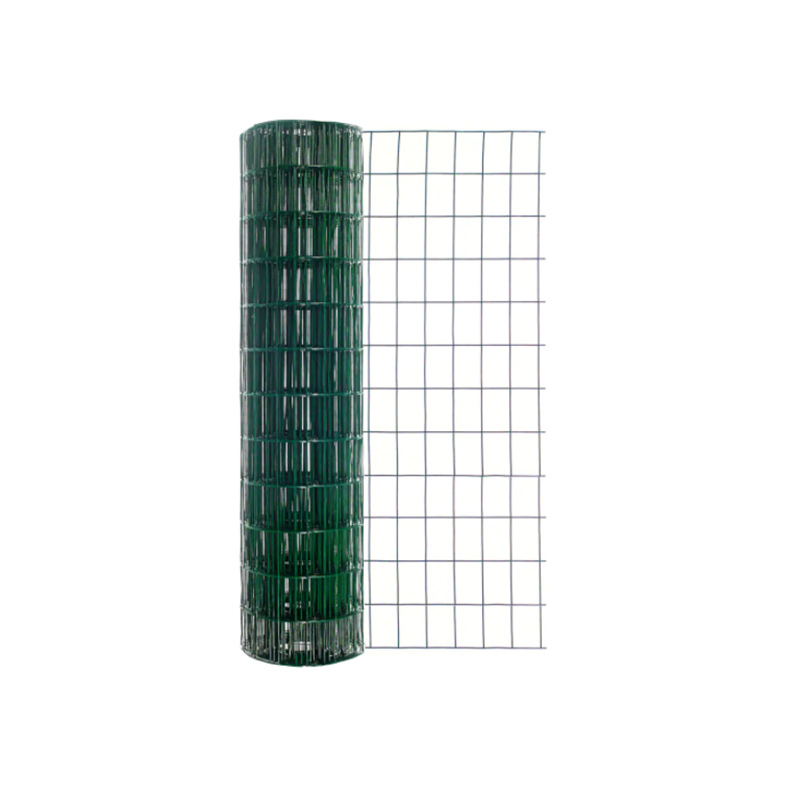
Integrated Fencing Solutions for Central African Republic: High-Efficiency gabion machine Technology

Empowering the infrastructure and security sectors of Central African Republic with industrial-grade wire mesh and fencing production equipment tailored for rugged terrains.

Integrated Fencing Solutions for Central African Republic: High-Efficiency gabion machine Technology

We provide a comprehensive suite of machinery designed to help local manufacturers in the Central African Republic produce high-strength security and agricultural fencing, optimizing production costs and enhancing durability.

Wire Mesh Manufacturing Landscape in Central African Republic

Analyzing the intersection of infrastructure needs and industrial capacity in CAR.

In the Central African Republic, the manufacturing of security fencing is often hindered by a reliance on expensive imports. Due to the region's undulating terrain and tropical climate, there is a critical demand for corrosion-resistant materials produced by a reliable automatic welded wire mesh machine to secure perimeter boundaries and industrial sites.

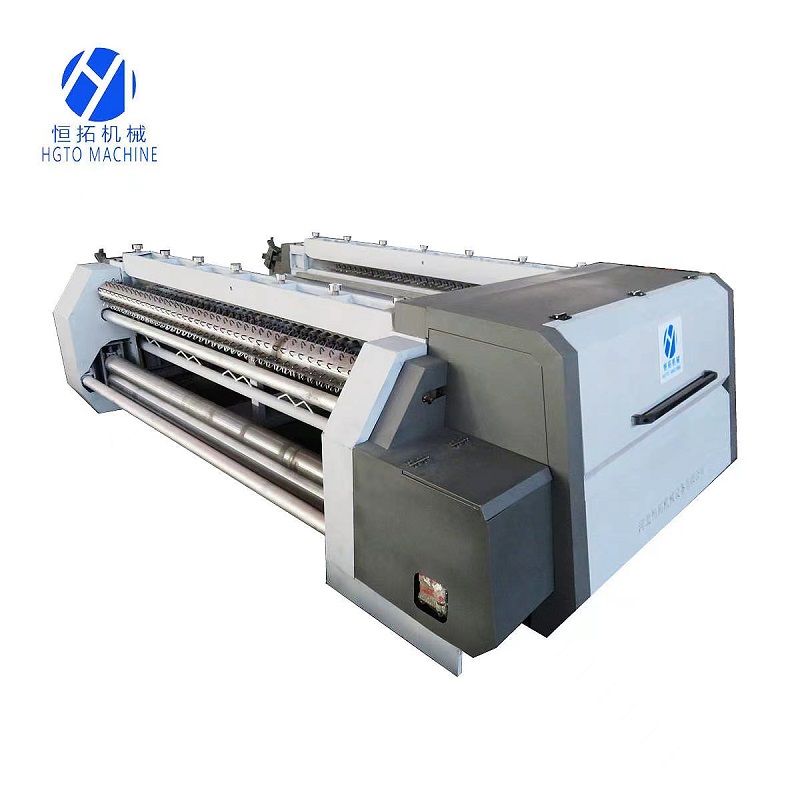
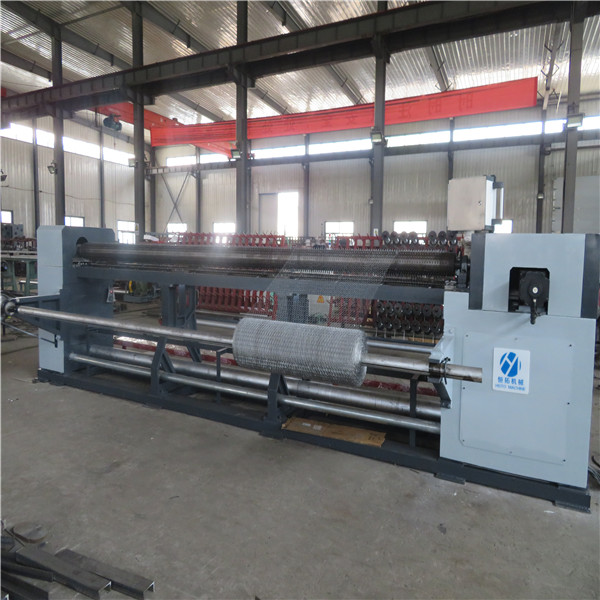
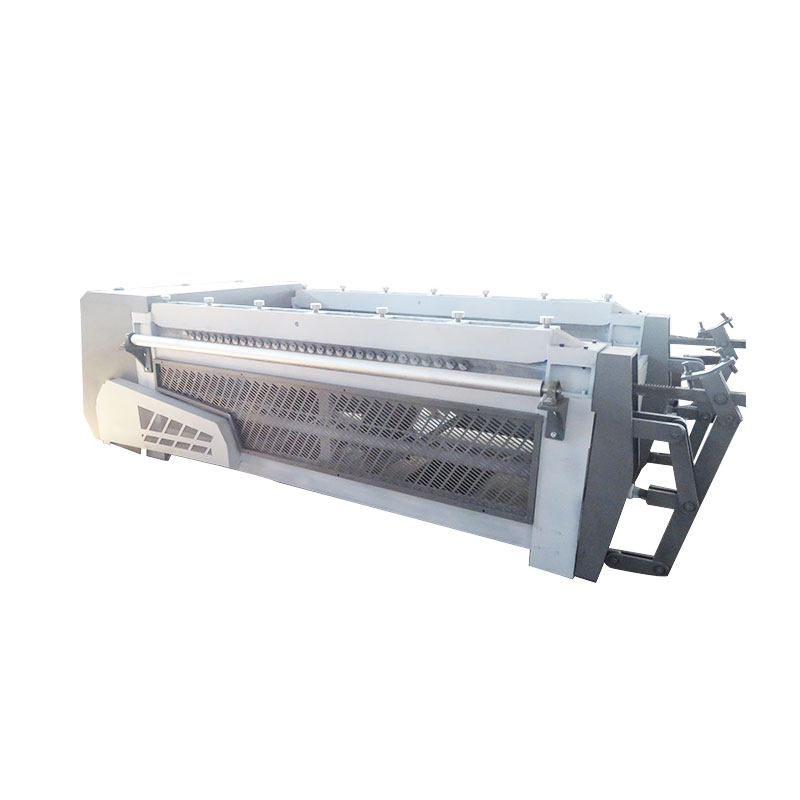
The local market is currently transitioning from manual weaving to semi-automated processes. The urgent need for erosion control along riverbanks and road networks has sparked a renewed interest in the gabion machine, which allows for the creation of heavy-duty stone cages essential for civil engineering projects in Bangui and surrounding provinces.

Furthermore, the agricultural sector, which forms the backbone of the local economy, requires scalable solutions. The adoption of a grassland field fence machine is becoming vital to protect livestock and demarcate land boundaries effectively, reducing conflict and increasing farming productivity.
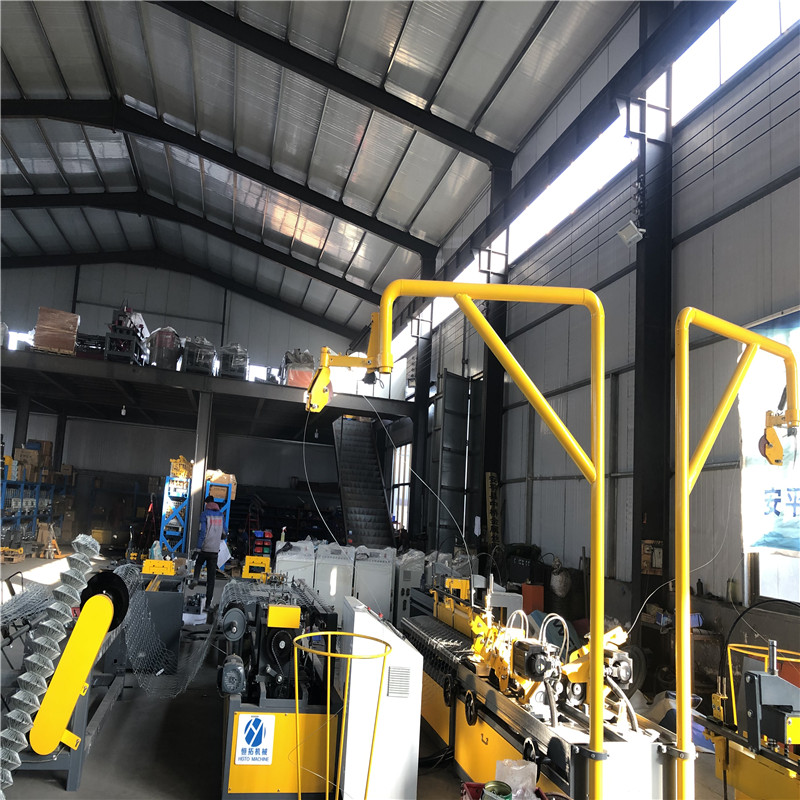
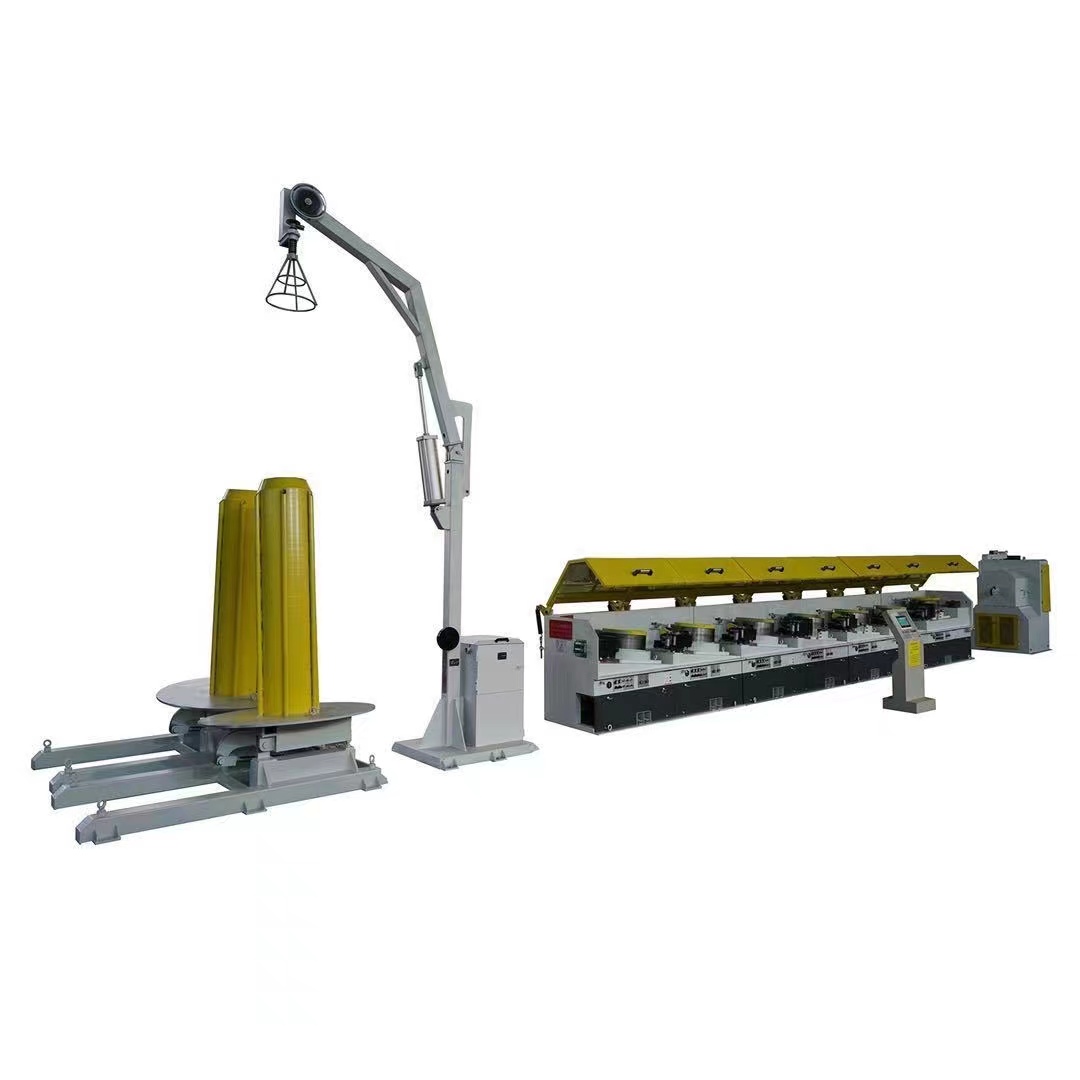
Evolution of Fencing Technology in Central African Republic

From traditional manual braiding to high-precision CNC automation.

Market Development History

Prior to 2010, fencing in the Central African Republic was largely artisanal, relying on manually twisted wires and imported materials. Production was slow, and quality was inconsistent, making large-scale infrastructure projects prohibitively expensive.

Between 2010 and 2020, the introduction of basic mechanical looms allowed for the first wave of localized production. This era saw the rise of simple barbed wire production, though the lack of specialized prop barbed wire equipment limited the variety of security options available for high-risk zones.

From 2021 to the present, the market has shifted toward full automation. The integration of PLC-controlled systems has enabled the production of complex patterns, with the razor barbed wire machine becoming a staple for high-security government and mining installations.

Future Development Trends

Smart Automation Integration

We anticipate a shift toward IoT-enabled machinery that allows operators to monitor wire tension and weld quality in real-time, reducing material waste in resource-constrained environments.

Eco-Friendly Galvanization

Driven by environmental regulations, there will be an increased demand for machines compatible with zinc-aluminum-magnesium coatings to withstand the humid CAR climate.

Modular Production Lines

Future growth will focus on compact, modular setups that can be easily transported to remote mining regions, allowing for on-site production of fencing materials.

Industry Outlook and Strategic Forecast

Projecting the technological trajectory of the wire mesh industry for 2025-2030.

Precision Welding Evolution
Transitioning toward ultra-fast weld cycles to increase the daily output of industrial mesh panels.
High-Tensile Specialization
Developing machinery capable of processing higher gauge steel for extreme security requirements.
Energy-Efficient Drives
Integrating servo-motor systems to lower power consumption in regions with unstable electrical grids.
Rapid Deployment Kits
Shipping "Plug-and-Produce" machine clusters to reduce installation time in remote areas.

Industry Outlook

The trajectory for wire mesh production in the Central African Republic is strongly tied to national reconstruction and stability. As urban centers expand and the mining sector stabilizes, the demand for high-security barriers produced by a razor barbed wire machine will likely grow by 15% annually.

Simultaneously, the push for sustainable agriculture will drive the adoption of wide-scale fencing. Google search trends for "industrial fencing equipment Africa" indicate a growing preference for fully automatic systems over semi-manual ones, signaling a mature shift toward high-capacity manufacturing.

Localized Application Scenarios in Central African Republic

Practical deployment of wire machinery in regional contexts.

1. Riverbank Stabilization in Bangui

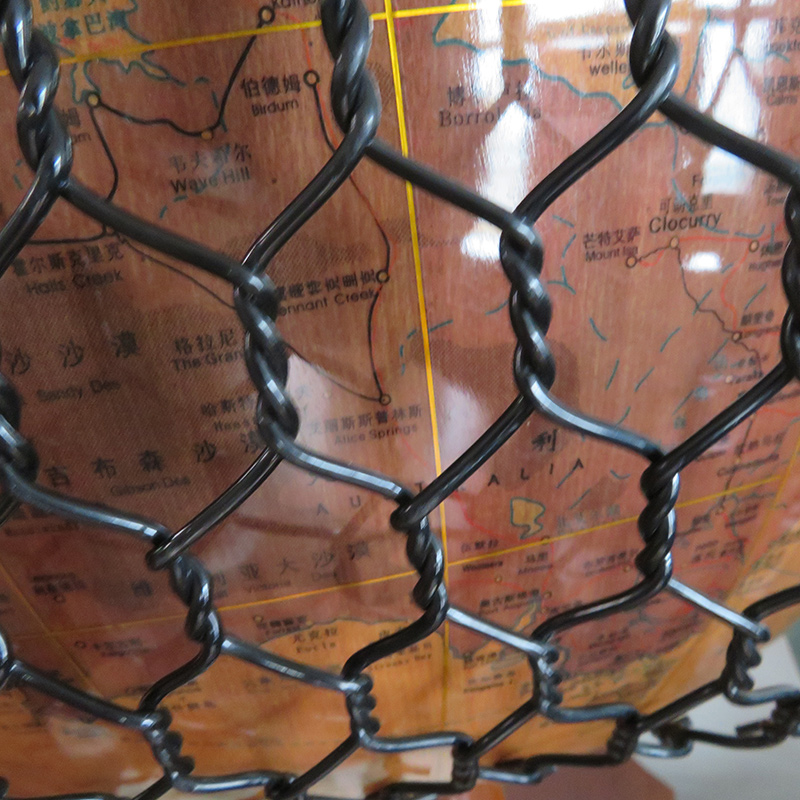
Utilizing a gabion machine to produce heavy-duty hexagonal mesh cages filled with local stone to prevent soil erosion along the Ubangi River during the rainy season.

2. High-Security Mining Perimeters

Deploying a razor barbed wire machine to create impenetrable barriers for diamond and gold mining concessions, ensuring the safety of assets and personnel.

3. Livestock Protection in Savanna Regions

Implementing a grassland field fence machine to produce cost-effective, durable boundary fences for cattle ranching, reducing livestock theft and migration.

4. Urban Infrastructure Security

Using an automatic welded wire mesh machine to create reinforced wall panels and security cages for government buildings and diplomatic missions.

5. Rural Boundary Demarcation

Applying prop barbed wire production to provide affordable and rapid fencing solutions for small-scale farmers to protect their crops from wildlife.

Brand Story

Global Development History of Hebei Mingyang Intelligent Equipment Co., Ltd.

Foundational Precision

Established with a focus on metallurgical engineering, we began by solving the basic precision gaps in wire weaving for local industrial use.

Automation Breakthrough

We revolutionized the industry by introducing PLC-integrated welding systems, drastically reducing the labor cost of wire mesh production.

Global Market Expansion

Expanding into the African market, we adapted our machinery to withstand volatile power grids and extreme humidity, ensuring 24/7 operationality.

Sustainable Engineering

Developed new alloy-compatible machines that allow users to produce longer-lasting, corrosion-resistant fences for tropical climates.

Intelligent Future

Today, we lead the industry in "Smart Fencing" machinery, combining AI-driven quality control with high-speed mechanical output.

Common Questions for Local Manufacturers in CAR

Technical and logistical guidance for wire machine procurement.

How to maintain an automatic welded wire mesh machine in humid climates?

We recommend using anti-rust lubricants on all sliding parts and installing voltage stabilizers to protect the PLC systems from the power fluctuations common in Central African Republic.

What is the best wire gauge for a gabion machine in road construction?

For civil engineering in CAR, we suggest using 2.7mm to 3.0mm galvanized wire to ensure the cages can hold heavy stone loads without deformation.

Can a razor barbed wire machine be operated by unskilled labor?

Yes, our machines feature intuitive touch-screen interfaces. We provide full training and a simplified manual to ensure rapid onboarding for local operators.

What is the production capacity of a grassland field fence machine?

Depending on the model, our machines can produce between 200 to 600 meters of fencing per hour, significantly reducing lead times for agricultural projects.

How to ship prop barbed wire machinery to Bangui?

We utilize reinforced sea-freight containers with vacuum packaging to prevent corrosion during transit to the nearest port and subsequent inland transport.

Which machine is most cost-effective for a startup fencing business?

Starting with a combined manual-automatic hybrid system for barbed wire and basic mesh often provides the fastest ROI before scaling to full automation.

Request Your Industrial Solution

Ready to upgrade your production capacity in Africa - Central African Republic? Our engineers are standing by to design your optimal factory layout.

Contact Us Now

If you are interested in our products, you can choose to leave your information here, and we will be in touch with you shortly.

  • captcha