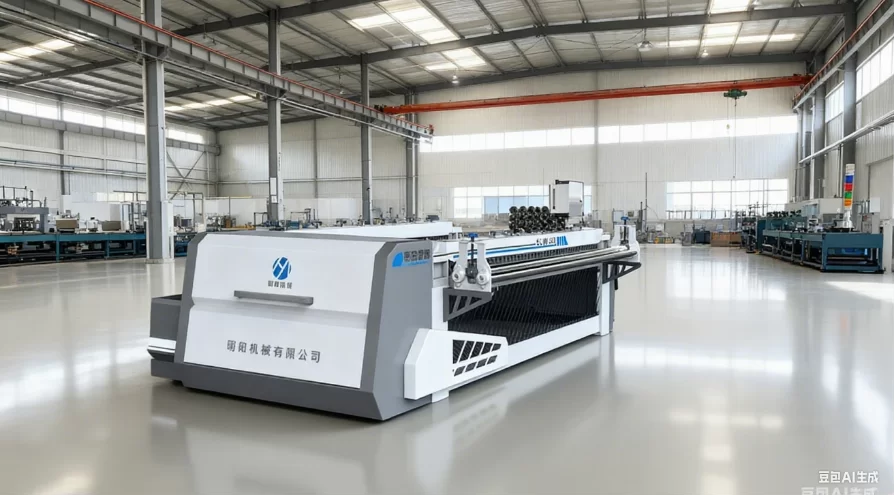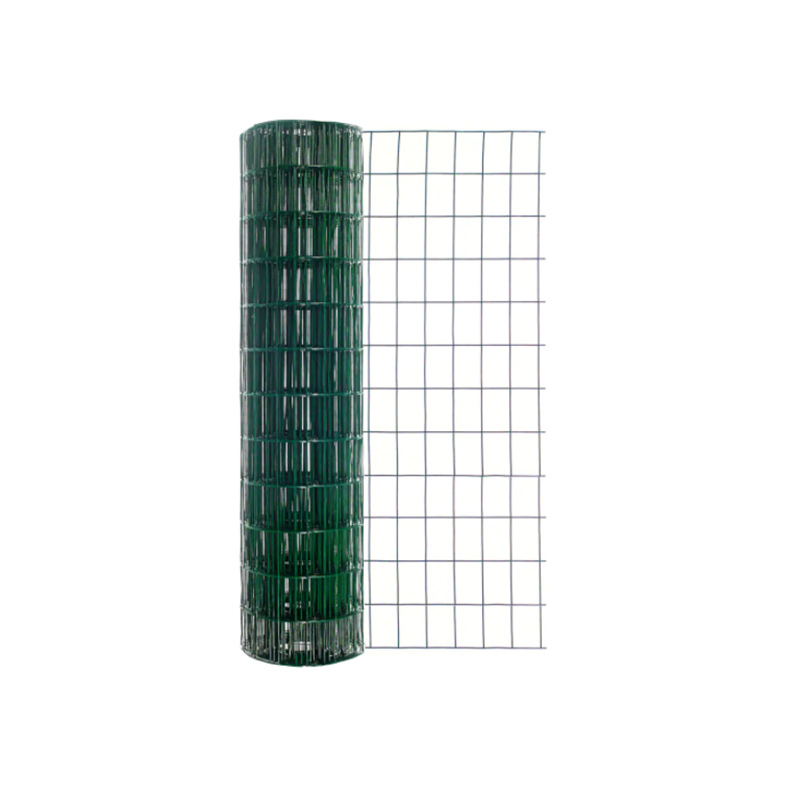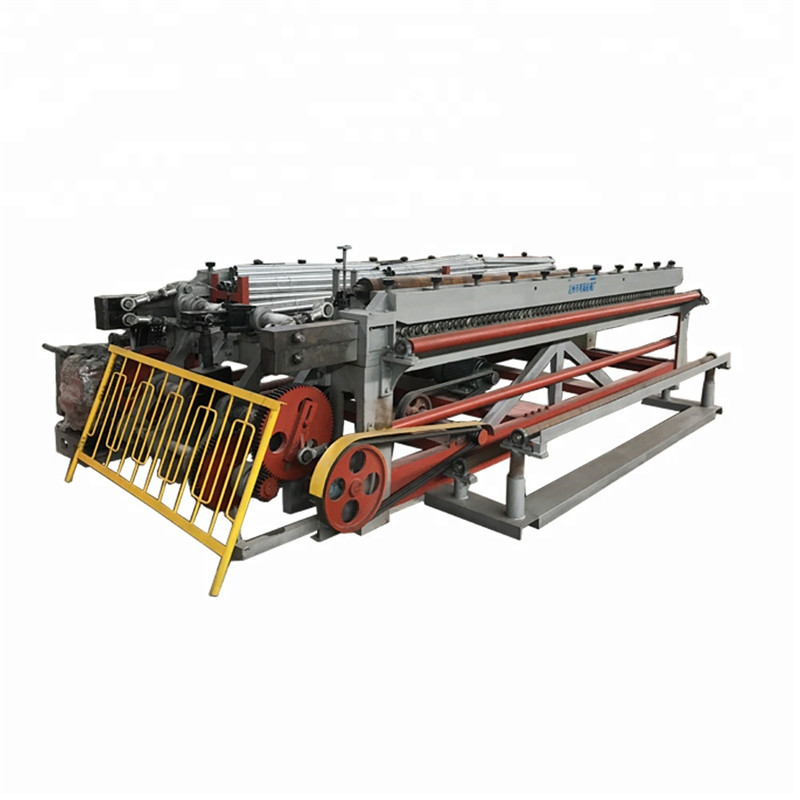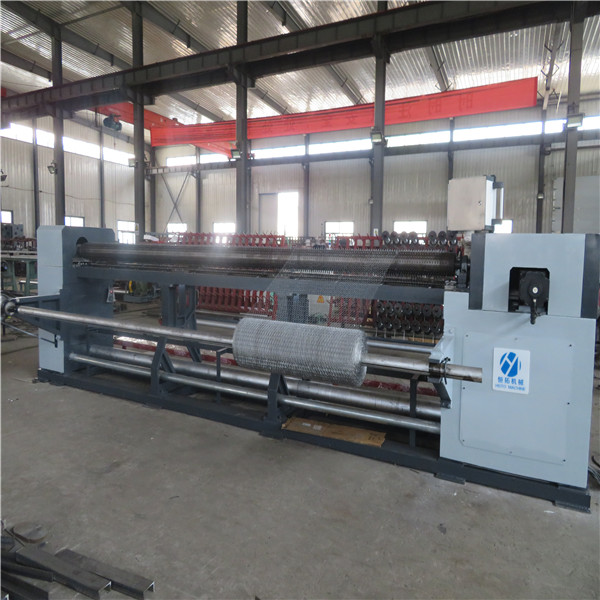
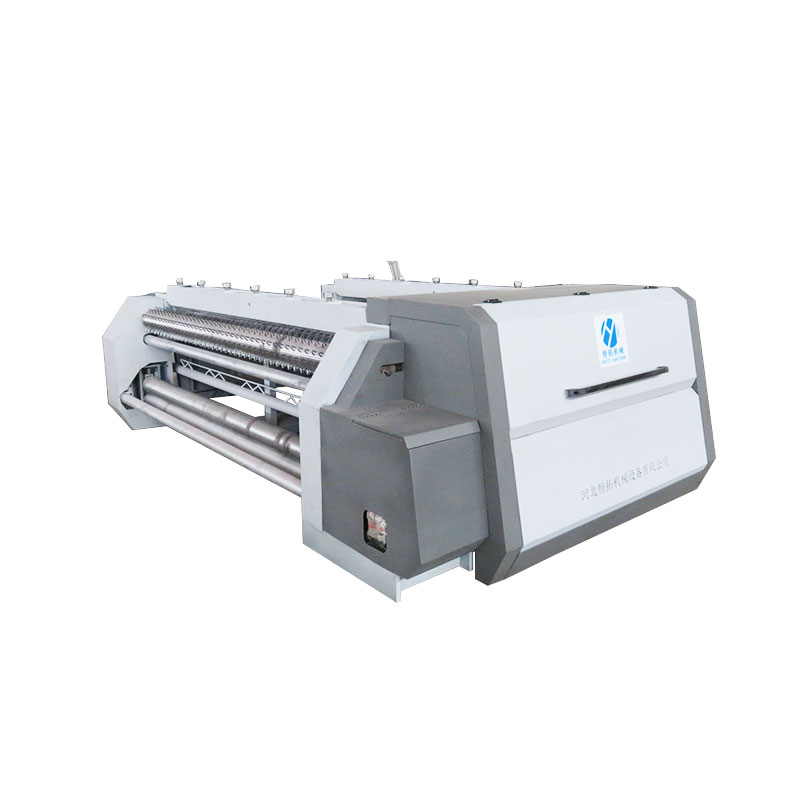
The manufacturing sector in North Korea is currently characterized by a transition from legacy mechanical systems to semi-automated processes. Due to the mountainous geography, there is a critical demand for erosion control and border reinforcement, driving the local adoption of gabion machine technology to stabilize slopes and riverbanks.
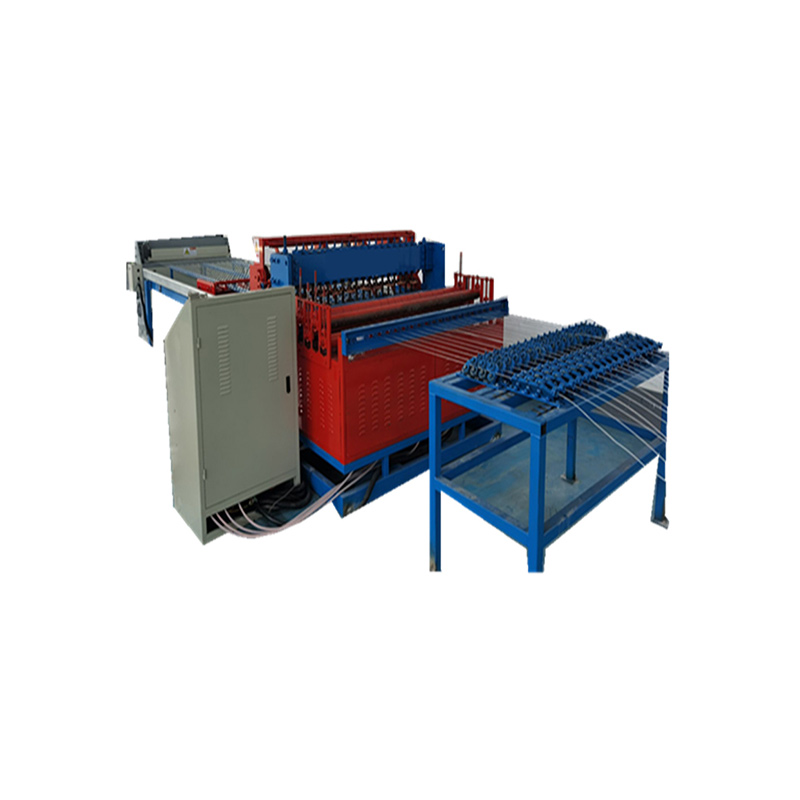
Economic constraints and specialized industrial zones have led to a reliance on durable, low-maintenance equipment. Many factories still operate older-generation looms, creating a significant market gap for an automatic welded wire mesh machine that can reduce labor costs and increase precision for urban construction.
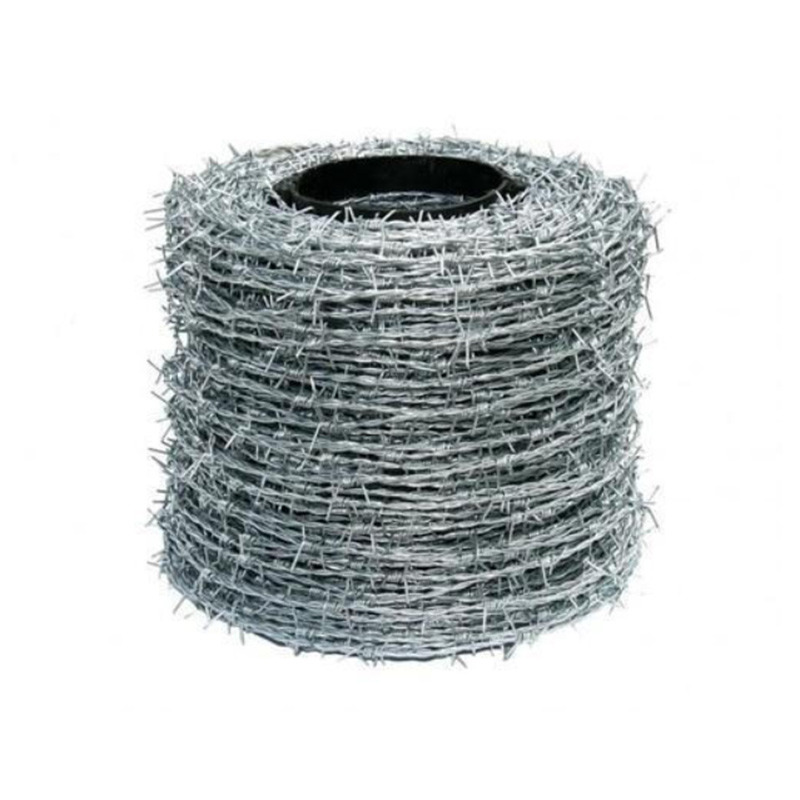
The strategic emphasis on internal security and agricultural zoning has increased the requirement for specialized fencing. This is evidenced by the growing need for razor barbed wire machine units capable of producing high-tensile security barriers and grassland field fence machine equipment for livestock management.