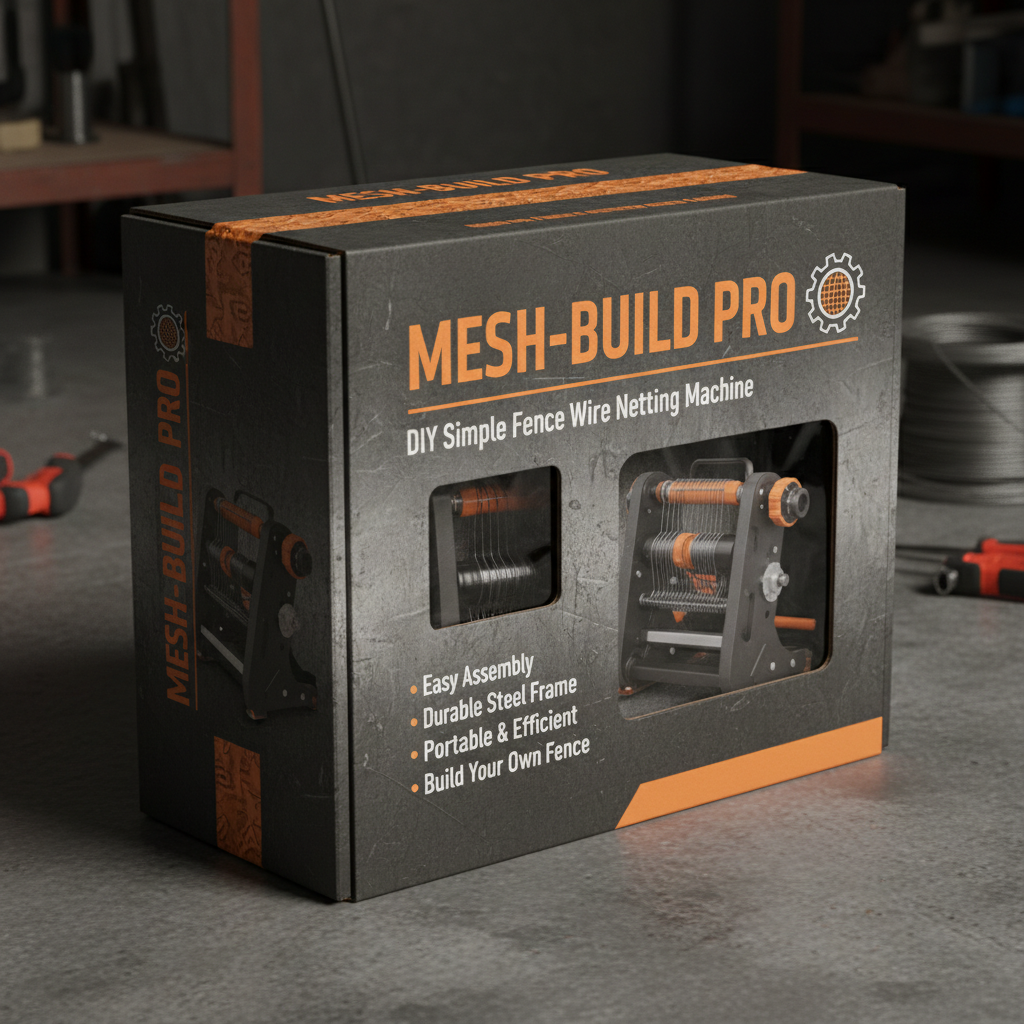
The demand for efficient and cost-effective fencing solutions is globally significant, impacting agriculture, security, and infrastructure. A diy simple fence wire netting machine addresses this need by enabling localized production of wire netting, reducing reliance on expensive imports and facilitating rapid deployment in diverse environments. Understanding the principles and applications of these machines is crucial for entrepreneurs, farmers, and organizations operating in both developed and developing nations.
The proliferation of diy simple fence wire netting machines represents a democratization of fencing technology. Traditionally, acquiring robust wire netting required substantial investment and logistical planning. These machines empower individuals and communities to create customized fencing tailored to specific needs, from protecting livestock to securing perimeters. This capability is particularly vital in areas prone to conflict, natural disasters, or with limited access to established supply chains.
Beyond basic fencing, these machines contribute to broader economic development by fostering local manufacturing opportunities and skill-building. The ability to produce wire netting locally stimulates economic activity and enhances self-sufficiency, making it a valuable tool for sustainable development initiatives. A well-maintained diy simple fence wire netting machine provides a long-term, tangible asset for communities seeking to improve their security and livelihoods.
The Core Principles of diy simple fence wire netting machine
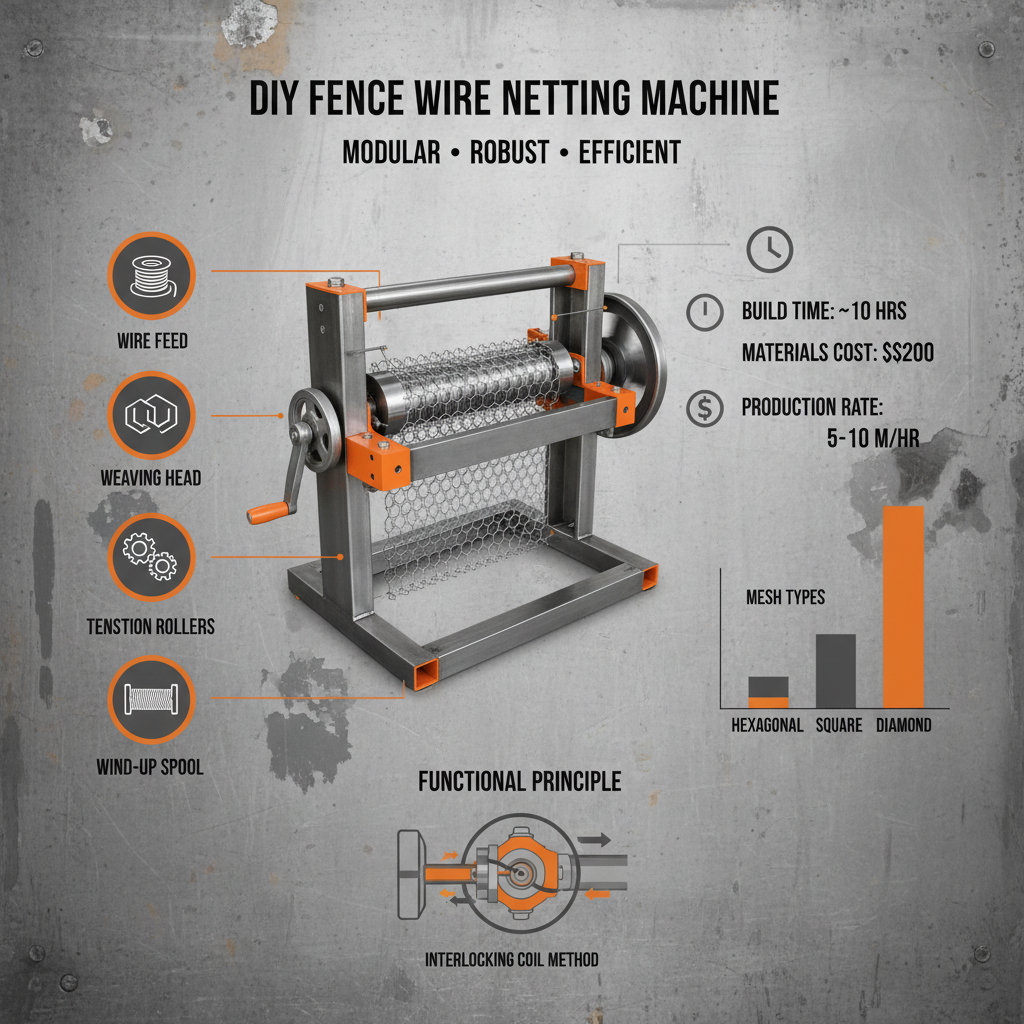
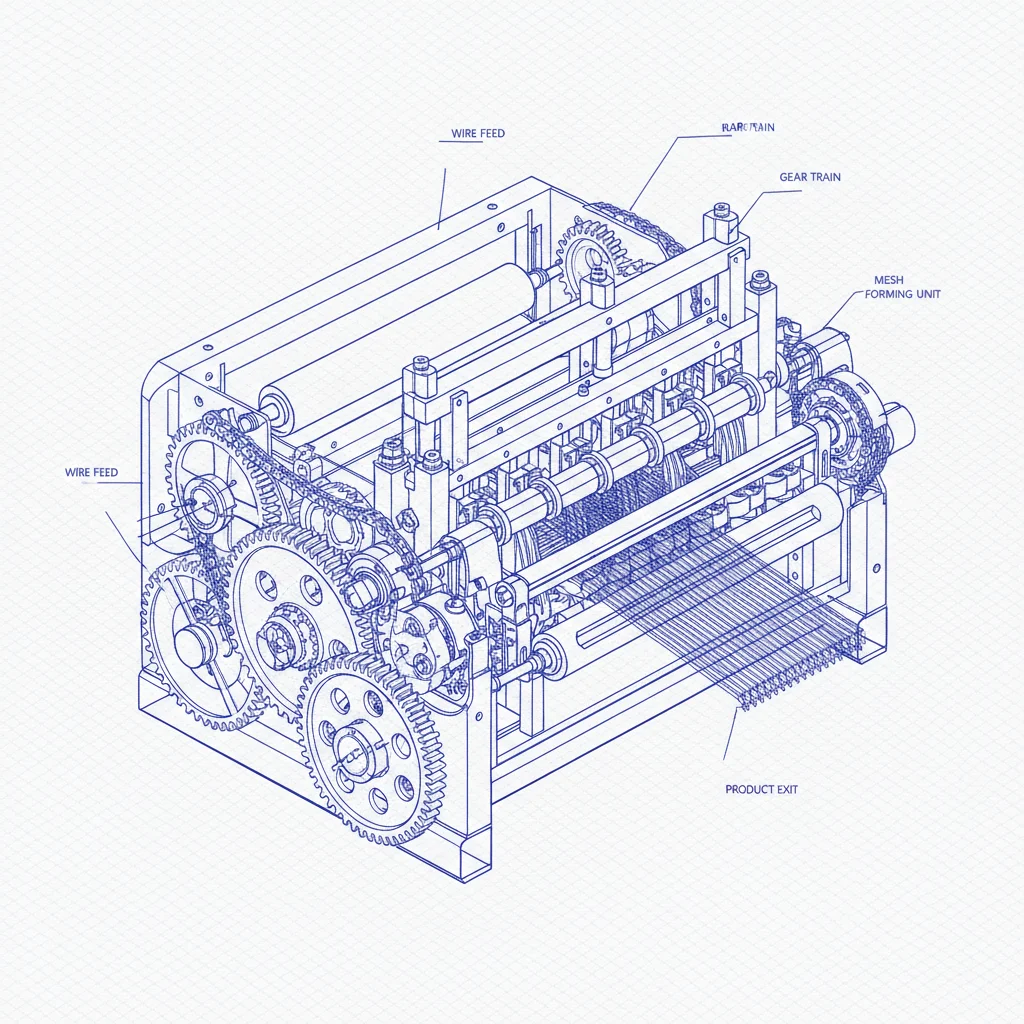
At its heart, a diy simple fence wire netting machine automates the weaving or interlocking of wire strands to create a mesh fabric. This mesh is then rolled or cut to desired dimensions, ready for installation as fencing. The core principle lies in consistent, repeatable actions that ensure uniform mesh size and structural integrity.
The simplicity of the design is a key characteristic, enabling fabrication using locally sourced materials and basic mechanical skills. Unlike complex industrial machines, a diy simple fence wire netting machine is often designed for ease of maintenance and repair, reducing downtime and extending its operational lifespan.
Global Significance and Industry Context
The global fencing market is a multi-billion dollar industry, driven by demand from agriculture, livestock farming, security, and infrastructure projects. A significant portion of this demand is met by large-scale manufacturers, often located in specific regions like China and Europe. However, the cost of transportation, import duties, and logistical complexities can create significant barriers, particularly in remote or developing areas.
The increasing focus on sustainable development and local economic empowerment is driving demand for localized production solutions. A diy simple fence wire netting machine offers a viable alternative to relying on imported fencing materials, fostering self-sufficiency and creating employment opportunities within communities. Reports from the UN Industrial Development Organization (UNIDO) highlight the importance of promoting localized manufacturing to boost economic resilience.
Furthermore, in areas facing political instability or humanitarian crises, the ability to quickly establish secure perimeters is paramount. Rapid deployment of locally produced fencing materials, enabled by these machines, can provide immediate protection for communities, infrastructure, and critical resources. This addresses a critical need often unmet by traditional supply chains.
Defining a diy simple fence wire netting machine
A diy simple fence wire netting machine is a mechanical device designed to produce wire mesh or netting for fencing purposes. These machines vary in complexity, ranging from manually operated models to semi-automatic versions powered by electric motors. Crucially, they are designed to be relatively easy to assemble, operate, and maintain with minimal specialized training.
Unlike large-scale industrial netting machines, a DIY version emphasizes affordability, adaptability, and accessibility. The core components typically include a frame, wire feeding mechanism, a weaving or interlocking system, and a winding or cutting device. The specific design and materials used will vary depending on the intended application and the skills of the builder.
These machines represent a bridge between traditional manual fencing techniques and automated industrial production. They cater to a niche market requiring flexibility, cost-effectiveness, and the ability to produce customized fencing solutions on a smaller scale. Their relevance extends beyond agriculture to encompass security, animal containment, and various other applications.
Key Operational Factors
The durability of a diy simple fence wire netting machine directly impacts its long-term cost-effectiveness. Using robust materials in the frame construction – such as steel – and selecting high-quality bearings and moving parts are essential. Regular lubrication and maintenance are also critical for preventing wear and tear.
Scalability refers to the machine’s ability to adapt to changing production demands. While a diy simple fence wire netting machine might not match the output of an industrial system, design choices like adjustable weaving speed and interchangeable dies can enhance its flexibility.
diy simple fence wire netting machine Performance Metrics
Real-World Applications and Use Cases
In post-disaster relief operations, a diy simple fence wire netting machine can be deployed to quickly establish temporary enclosures for displaced persons, secure aid distribution points, and protect vital infrastructure. The ability to produce fencing on-site eliminates logistical bottlenecks and speeds up the recovery process.
Remote industrial zones, such as mining camps or forestry operations, often face challenges in sourcing fencing materials due to their isolated locations. A locally operated diy simple fence wire netting machine provides a self-sufficient solution, reducing transportation costs and ensuring a reliable supply of fencing for security and containment.
Tangible Advantages and Long-Term Value
The most immediate benefit of a diy simple fence wire netting machine is cost reduction. Producing fencing locally eliminates transportation costs, import duties, and intermediary markups. This can result in significant savings, particularly for large-scale fencing projects. Sustainability is another key advantage, reducing the environmental impact associated with long-distance shipping.
Beyond economics, a diy simple fence wire netting machine fosters local economic development by creating employment opportunities and empowering communities. The ability to manufacture a vital product locally instills a sense of self-reliance and promotes economic resilience. This translates to greater social stability and improved quality of life.
Future Trends and Technological Advancements
Integration of automation technologies, such as programmable logic controllers (PLCs), could enhance the precision and efficiency of diy simple fence wire netting machines. This would allow for more complex mesh patterns and improved quality control. Exploration of alternative materials, such as recycled plastics or biodegradable polymers, could further enhance sustainability.
The use of digital design tools and online marketplaces could connect machine operators with customers, facilitating customized fencing solutions and expanding market reach. This digital transformation could democratize access to fencing technology and create new economic opportunities.
Furthermore, advancements in energy-efficient motors and renewable energy sources could reduce the environmental footprint of machine operation, aligning with global sustainability goals. The adoption of Industry 4.0 principles will likely play a key role in optimizing performance and reducing waste.
Core Operational Considerations for diy simple fence wire netting machine
| Machine Type |
Material Compatibility |
Maintenance Frequency |
Skill Level Required |
| Manual Lever Machine |
Low-Carbon Steel, Galvanized Wire |
Weekly Lubrication, Monthly Inspection |
Basic Mechanical Skills |
| Semi-Automatic Electric Machine |
Mild Steel, Stainless Steel |
Bi-Weekly Motor Check, Quarterly Gear Inspection |
Intermediate Mechanical & Electrical Skills |
| Portable Hand-Crank Machine |
Aluminum Wire, Coated Steel Wire |
After Each Use Cleaning, Monthly Bearing Check |
Minimal Mechanical Skills |
| Benchtop Chain-Link Machine |
High-Tensile Steel Wire, PVC Coated Wire |
Monthly Die Inspection, Quarterly Belt Adjustment |
Advanced Mechanical Skills |
| Hydraulic Wire Netting Machine |
Carbon Steel, Alloy Steel |
Regular Fluid Level Checks, Annual Hydraulic System Inspection |
Expert Mechanical & Hydraulic Skills |
| Solar Powered Machine |
Galvanized Steel, Stainless Steel |
Panel Cleaning, Battery Maintenance |
Basic Electrical and Mechanical Skills |
FAQS
The lifespan of a diy simple fence wire netting machine greatly depends on the quality of materials used in its construction, the frequency of use, and the level of maintenance performed. With proper care, a well-built machine can last for 5-10 years or even longer. Regular lubrication, cleaning, and timely replacement of worn parts are crucial for maximizing its lifespan. Using high-quality steel and bearings will significantly contribute to durability.
Most diy simple fence wire netting machines can accommodate a range of wire types, including low-carbon steel, galvanized wire, stainless steel, and even coated wires. However, wire gauge (thickness) and tensile strength are important considerations. Always check the machine’s specifications to ensure compatibility with the desired wire type. Using a wire that's too thick or strong can damage the machine’s mechanisms.
The skill level required varies depending on the machine’s complexity. Basic manual machines require minimal training, while semi-automatic electric machines may necessitate some mechanical and electrical aptitude. Regular maintenance tasks, such as lubrication and cleaning, can be performed with basic skills. More complex repairs may require a skilled technician. Training resources and online tutorials are often available.
Safety is paramount. Always wear appropriate personal protective equipment (PPE), including safety glasses, gloves, and hearing protection. Ensure the machine is properly grounded and that all safety guards are in place. Never operate the machine with wet hands or in a damp environment. Disconnect the power supply before performing any maintenance or repairs. Read and understand the machine’s operating manual thoroughly.
Many diy simple fence wire netting machines offer adjustable settings to produce different mesh sizes. This is often achieved through interchangeable dies or adjustable weaving mechanisms. The range of mesh sizes that can be produced will depend on the specific machine design. It's important to select a machine that can accommodate the desired mesh sizes for your intended applications.
The production rate varies significantly based on the machine’s type, the operator’s skill, and the wire gauge and mesh size being produced. Manual machines typically have lower production rates compared to semi-automatic electric models. Expect a manual machine to produce a few meters of fencing per hour, while a semi-automatic machine might achieve 10-20 meters per hour. Accurate production estimates require testing the specific machine in your environment.
Conclusion
In summary, a diy simple fence wire netting machine offers a compelling solution to the global demand for affordable, accessible, and localized fencing production. By empowering individuals and communities to manufacture their own wire netting, these machines address critical needs in agriculture, security, disaster relief, and economic development. Their inherent simplicity, coupled with potential for innovation, positions them as a valuable tool for building resilience and promoting sustainable growth.
Looking ahead, continued advancements in automation, materials science, and digital integration will further enhance the capabilities and efficiency of these machines. Investing in research and development, coupled with accessible training programs, will unlock the full potential of diy simple fence wire netting machines and contribute to a more secure and sustainable future. Visit our website at www.htmeshmachines.com to learn more.