0%

Table of Contents

Automatic wire mesh welding machines represent a significant advancement in construction and manufacturing, offering efficient and reliable solutions for creating robust wire mesh structures. These machines are increasingly vital in industries ranging from agriculture and security to construction and disaster relief. The ability to rapidly produce high-quality wire mesh through automation is revolutionizing how we approach building and infrastructure projects, reducing labor costs, and improving overall project timelines. Understanding the capabilities and applications of automatic wire mesh welding machines is crucial for businesses and organizations seeking to enhance their operational efficiency and product quality.

Globally, the demand for efficient building materials and security solutions is driving the growth of the automatic wire mesh welding machine market. With increasing urbanization and infrastructure development, particularly in emerging economies, the need for scalable and cost-effective wire mesh solutions is paramount. Organizations like the UN and various disaster relief agencies are increasingly relying on rapidly deployable structures made with wire mesh, further fueling demand. This trend highlights the essential role these machines play in addressing critical global needs.

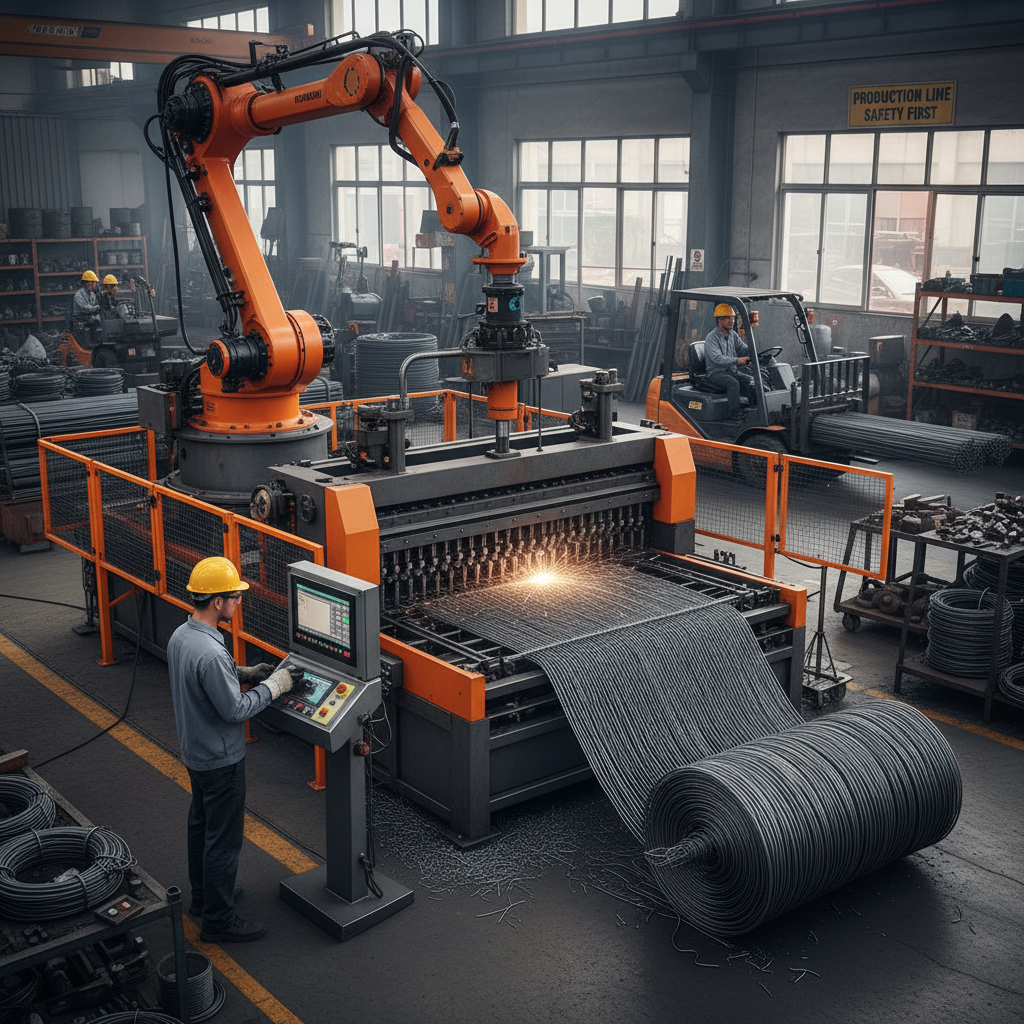
The integration of advanced technologies, such as robotic welding and automated feeding systems, are pushing the boundaries of what's possible with wire mesh production. This evolution is making automatic wire mesh welding machines indispensable for a wide range of applications, solidifying their position as a cornerstone of modern industrial processes.
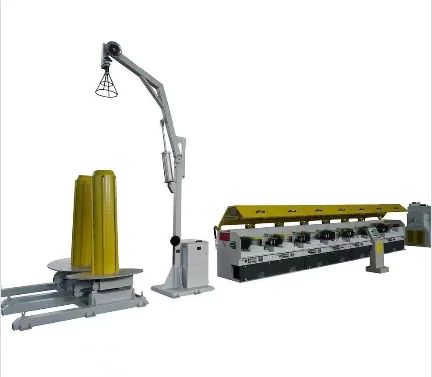
automatic wire mesh welding machine

The Rise of Automatic Wire Mesh Welding Machines

automatic wire mesh welding machine

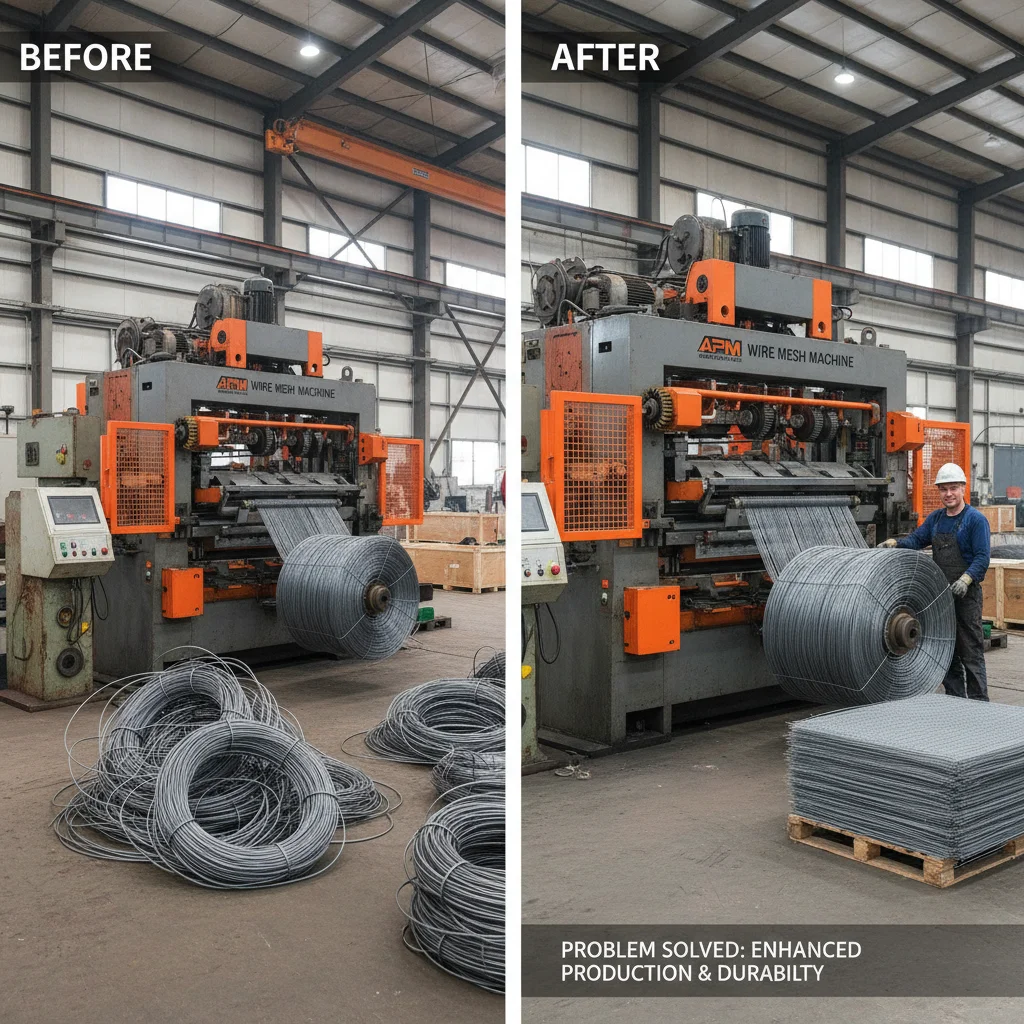
The deployment of automatic wire mesh welding machines has dramatically altered the landscape of construction and manufacturing, offering unparalleled speed and precision in wire mesh fabrication. These machines aren't simply automating a process; they are redefining the possibilities for wire mesh applications, from reinforcing concrete structures to creating secure enclosures. The technology’s evolution has been marked by a continuous drive toward increased efficiency and adaptability.

Historically, wire mesh production relied heavily on manual labor, a process prone to inconsistencies and limitations in scalability. The introduction of automatic welding machines addressed these challenges head-on, providing a consistent, high-quality product with minimal human intervention. This shift has not only increased production capacity but has also opened doors to more complex and customized wire mesh designs.

Defining Automatic Wire Mesh Welding Machines

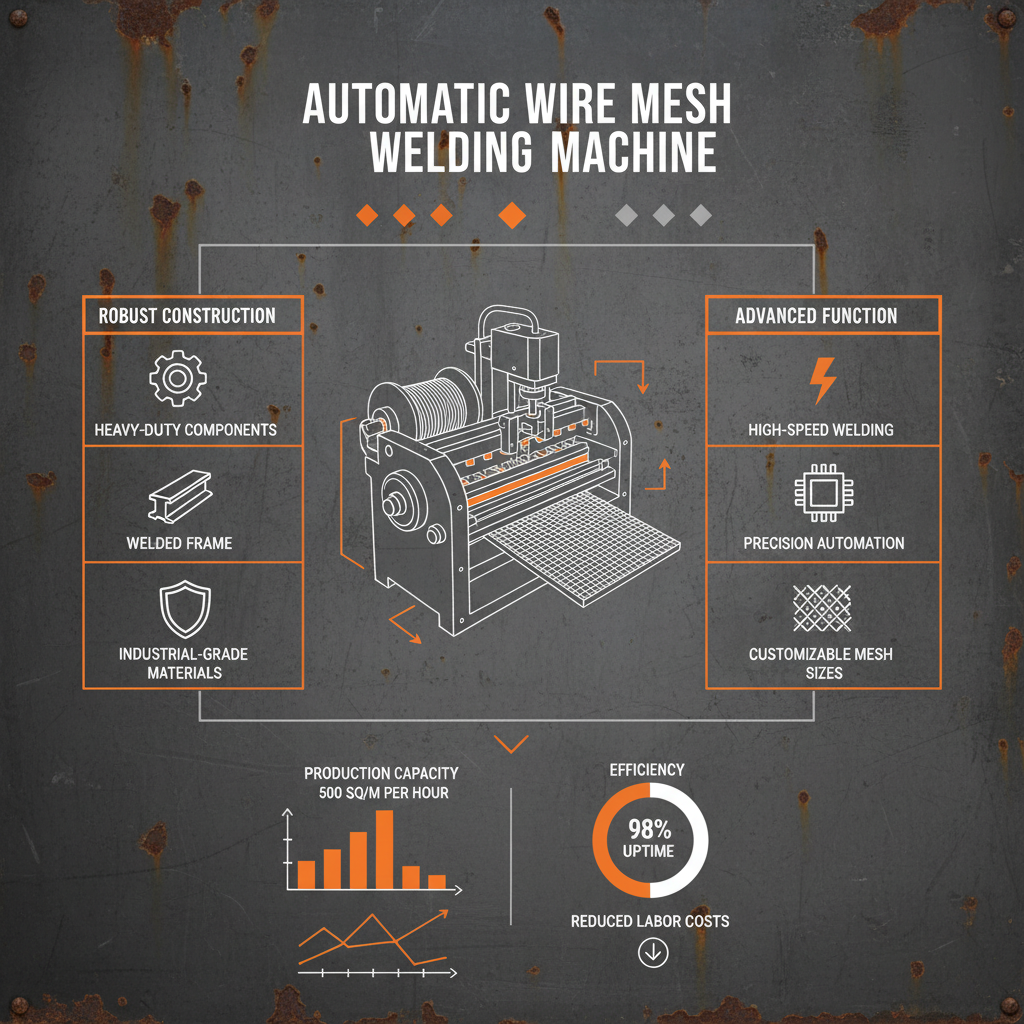
An automatic wire mesh welding machine is a sophisticated piece of equipment designed to automatically weld intersecting wires to form a grid-like structure, commonly known as wire mesh. Unlike manual welding, which requires skilled labor and is susceptible to human error, these machines utilize programmable controls and automated welding heads to ensure consistent and precise welds. They typically consist of wire feeding mechanisms, welding power sources, and control systems.

This technology is intrinsically linked to modern industry, supporting construction, agriculture, and security sectors. Rapid deployment housing, animal enclosures, and robust security fencing are just a few examples where automatic wire mesh welding machines are making a substantial impact. The resulting wire mesh is a versatile material, offering strength, durability, and cost-effectiveness.

Its relevance also extends to humanitarian efforts. In disaster relief scenarios, these machines can quickly produce wire mesh for temporary shelters, reinforcing structures, and creating secure perimeters, offering vital support to affected communities. This adaptability and speed make it a crucial asset in emergency response situations.

Core Components and Operational Principles

The functionality of an automatic wire mesh welding machine hinges on several key components. These include the wire feeding system, responsible for precisely delivering wires to the welding zone; the welding power source, which provides the energy needed to create the weld; and the control system, which orchestrates the entire process based on pre-programmed parameters. These components work in harmony to ensure consistent weld quality and efficiency.

The operational principle typically involves a series of synchronized movements. Wires are fed into the machine, positioned for intersection, and then welded together using resistance welding or other appropriate techniques. The machine then automatically advances to the next intersection, repeating the process to create the desired wire mesh pattern. Advanced models allow for variable weld spacing, wire diameter, and mesh dimensions.

Furthermore, many modern automatic wire mesh welding machines incorporate automated error detection and correction systems. These systems monitor the welding process in real-time, identifying and addressing potential issues, such as wire misalignment or insufficient weld strength, to maintain consistent product quality. This level of automation is essential for large-scale production runs.

Key Factors Driving Adoption

Several crucial factors contribute to the increasing adoption of automatic wire mesh welding machines. Durability is paramount, as these machines are often deployed in demanding industrial environments and must withstand continuous operation. Scalability is another key benefit, allowing manufacturers to easily adjust production volume to meet changing market demands.

Cost efficiency plays a vital role, reducing labor costs and minimizing material waste compared to manual welding processes. Precision and consistency are also significant advantages, ensuring that the wire mesh meets strict quality standards. Finally, these machines offer increased safety by automating a potentially hazardous task.

Comparison of Automatic Wire Mesh Welding Machine Methods

Global Applications and Industry Impact

Automatic wire mesh welding machines are utilized across a broad spectrum of industries and applications. In the construction sector, they produce reinforcing mesh for concrete structures, enhancing their strength and durability. Agricultural applications include creating animal enclosures, poultry netting, and crop support structures.

Security fencing is another significant application, providing robust and reliable perimeter protection for commercial and residential properties. In post-disaster relief operations, these machines rapidly produce wire mesh for temporary shelters and reinforcing damaged infrastructure. In remote industrial zones, the ability to produce wire mesh on-site is invaluable, reducing logistical challenges and costs.

Advantages and Long-Term Value Proposition

The advantages of adopting automatic wire mesh welding machines extend far beyond simply increasing production speed. Significant cost savings are realized through reduced labor requirements and minimized material waste. The sustainability aspect is also noteworthy, as automated processes often optimize material usage and reduce energy consumption.

The long-term value proposition encompasses enhanced product reliability, improved worker safety, and a strengthened brand reputation. Consistent product quality builds customer trust, while automated processes reduce the risk of workplace injuries. This combination of factors translates into a significant return on investment and positions businesses for long-term success.

Future Trends and Innovations in Wire Mesh Welding

The future of automatic wire mesh welding machines is poised for significant advancements. The integration of artificial intelligence (AI) and machine learning (ML) will enable machines to self-optimize their welding parameters, further improving efficiency and quality. The development of new materials, such as high-strength alloys, will expand the range of applications for wire mesh.

Sustainability is another key driver of innovation, with a focus on developing energy-efficient machines and utilizing recycled materials. Digital transformation, including the implementation of Industry 4.0 principles, will lead to greater connectivity and data-driven insights, enabling predictive maintenance and optimized production schedules.

Furthermore, the trend towards customized wire mesh designs will necessitate the development of more flexible and adaptable machines capable of handling complex geometries and variable wire diameters. These innovations will solidify the role of automatic wire mesh welding machines as essential components of modern manufacturing.

FAQS

What are the primary advantages of using an automatic wire mesh welding machine over manual welding?

Automatic wire mesh welding machines offer several key advantages over manual welding. These include increased production speed, consistent weld quality, reduced labor costs, and enhanced safety. Automation minimizes human error and allows for greater precision, resulting in a more reliable and cost-effective process. Manual welding is often prone to inconsistencies and can be more time-consuming and labor-intensive.

What types of wire materials are compatible with automatic welding machines?

Most automatic wire mesh welding machines are designed to handle a wide range of wire materials, including carbon steel, stainless steel, galvanized steel, and aluminum wire. The compatibility depends on the specific machine model and its welding parameters. It's essential to verify that the machine is configured correctly for the chosen wire material to ensure optimal weld quality and prevent damage to the equipment.

How much maintenance do automatic wire mesh welding machines typically require?

Automatic wire mesh welding machines require regular maintenance to ensure optimal performance and longevity. This typically includes cleaning the welding heads, lubricating moving parts, inspecting and replacing worn components, and calibrating the control system. Following the manufacturer's recommended maintenance schedule is crucial for preventing downtime and maximizing the machine's lifespan.

What safety precautions should be taken when operating an automatic wire mesh welding machine?

Safety is paramount when operating an automatic wire mesh welding machine. Operators should always wear appropriate personal protective equipment (PPE), including welding helmets, gloves, and safety glasses. It's essential to ensure that the machine is properly grounded and that all safety interlocks are functioning correctly. Regular safety training for operators is also crucial for preventing accidents and ensuring a safe working environment.

What is the typical lifespan of an automatic wire mesh welding machine?

The lifespan of an automatic wire mesh welding machine can vary depending on factors such as usage intensity, maintenance practices, and the quality of the machine. However, with proper care and regular maintenance, a well-built machine can typically operate effectively for 10 to 15 years or even longer. Investing in a reputable brand and adhering to the manufacturer's recommendations will help maximize the machine's lifespan.

Can automatic wire mesh welding machines be customized to produce specific mesh patterns?

Yes, many automatic wire mesh welding machines offer a high degree of customization. Programmable controls allow operators to adjust parameters such as wire spacing, weld timing, and mesh dimensions to create a wide variety of patterns. Advanced models may also support customized wire feeding sequences and complex mesh geometries. This flexibility makes these machines suitable for a diverse range of applications.

Conclusion

In conclusion, automatic wire mesh welding machines represent a transformative technology for industries requiring efficient and reliable wire mesh production. From their core components and operational principles to their diverse global applications, these machines deliver substantial benefits in terms of cost savings, quality control, and safety. The ongoing innovations in AI, materials science, and digital transformation promise an even more promising future for this technology.

Looking ahead, businesses should prioritize investing in automatic wire mesh welding machines to gain a competitive edge and meet the growing demands of a rapidly evolving market. Exploring the latest advancements in machine technology and embracing sustainable practices will be crucial for maximizing long-term value and ensuring a responsible approach to manufacturing. For more information and to explore our range of automatic wire mesh welding machines, visit our website: https://www.htmeshmachines.com

Brian Wilson

Brian Wilson

Brian Wilson is the After-Sales Service Coordinator for Hebei Mingyang Intelligent Equipment Co., Ltd. in the US. Brian focuses on building long-term customer relationships through prompt and reliable service. He manages spare parts inventory, coordinates service calls, and ensures customers receive timely support. Brian has a strong technical aptitude and is skilled at troubleshooting common machine issues. He acts as a liaison between customers and the technical team in China, effectively communicating needs and ensuring swift resolution. Brian’s dedication to customer satisfaction has been instrumental in fostering repeat business and building a strong reputation for Mingyang.
Previous Revolutionizing Industries with Advanced Automatic Wire Mesh Machine Technology
Next Revolutionizing Construction with the Brick Force Wire Making Machine

If you are interested in our products, you can choose to leave your information here, and we will be in touch with you shortly.

  • captcha