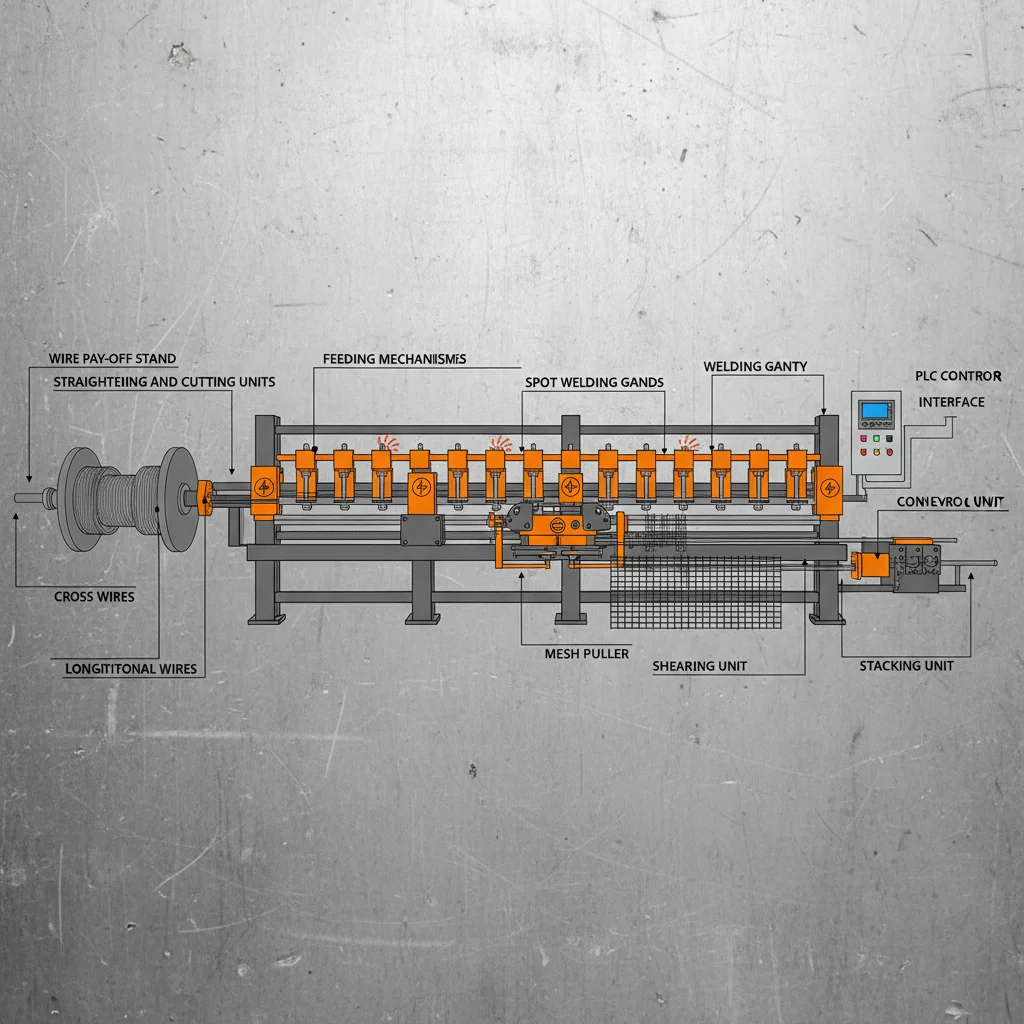
The wire drawing machine process is a critical manufacturing technique used to reduce the diameter of metal wires, commonly steel, by pulling them through a series of drawing dies. This seemingly simple process underpins a vast array of industries, from construction and automotive to electronics and medical devices. Understanding the nuances of wire drawing – the materials, methods, and machinery involved – is essential for optimizing production, ensuring quality control, and driving innovation in materials science. wire drawing machine process is fundamental to modern industrial capabilities.
Globally, the demand for drawn wire continues to rise, fueled by infrastructure development in emerging economies and the increasing need for high-strength, precision wires in advanced technologies. According to the World Steel Association, global steel production reached nearly 1.9 billion tonnes in 2022, a substantial portion of which will undergo wire drawing. This highlights the process’s economic significance. However, challenges exist, including energy consumption, die wear, and the need for sustainable practices.
Addressing these challenges requires continuous improvement in wire drawing techniques, the adoption of advanced materials, and the development of more efficient and environmentally friendly machinery. A detailed grasp of the wire drawing machine process empowers businesses to overcome hurdles, enhance productivity, and maintain a competitive edge in the ever-evolving global marketplace.
The Fundamental Principles of wire drawing machine process
At its core, the wire drawing machine process relies on the principles of plastic deformation. When a metal wire is pulled through a die, it experiences compressive stresses that cause it to elongate and reduce in cross-sectional area. This deformation occurs without fracturing the material, requiring careful control of parameters such as drawing speed, die angle, and lubrication. The process isn’t merely about reducing size; it also alters the material’s mechanical properties, increasing its tensile strength and hardness.
The effectiveness of wire drawing machine process depends heavily on the materials used. High-carbon steel, stainless steel, and non-ferrous metals like copper and aluminum are commonly drawn, each requiring specific die materials and lubrication techniques. The selection of these elements is influenced by the desired final product characteristics and the efficiency of the drawing operation.
The Historical Development of wire drawing machine process
The origins of wire drawing can be traced back to ancient civilizations, with evidence of rudimentary techniques employed by the Romans and Egyptians. Early methods involved manually pulling metal through progressively smaller holes in a drawplate. These processes were slow, labor-intensive, and limited in the complexity of shapes that could be produced. wire drawing machine process evolved slowly over centuries.
The Industrial Revolution brought about significant advancements with the invention of powered wire drawing machines in the 19th century. These machines, driven by steam or water power, dramatically increased production rates and allowed for the creation of more consistent wire diameters. The 20th century witnessed further innovation, including the development of multi-die drawing systems and advanced control mechanisms.
Modern wire drawing machines now incorporate sophisticated automation, computer numerical control (CNC), and advanced sensor technologies, allowing for precise control over the drawing process and enabling the production of wires with exceptionally tight tolerances and high surface quality. This historical progression underscores the continuous refinement of this essential manufacturing process.
Core Components and Materials Used in wire drawing machine process
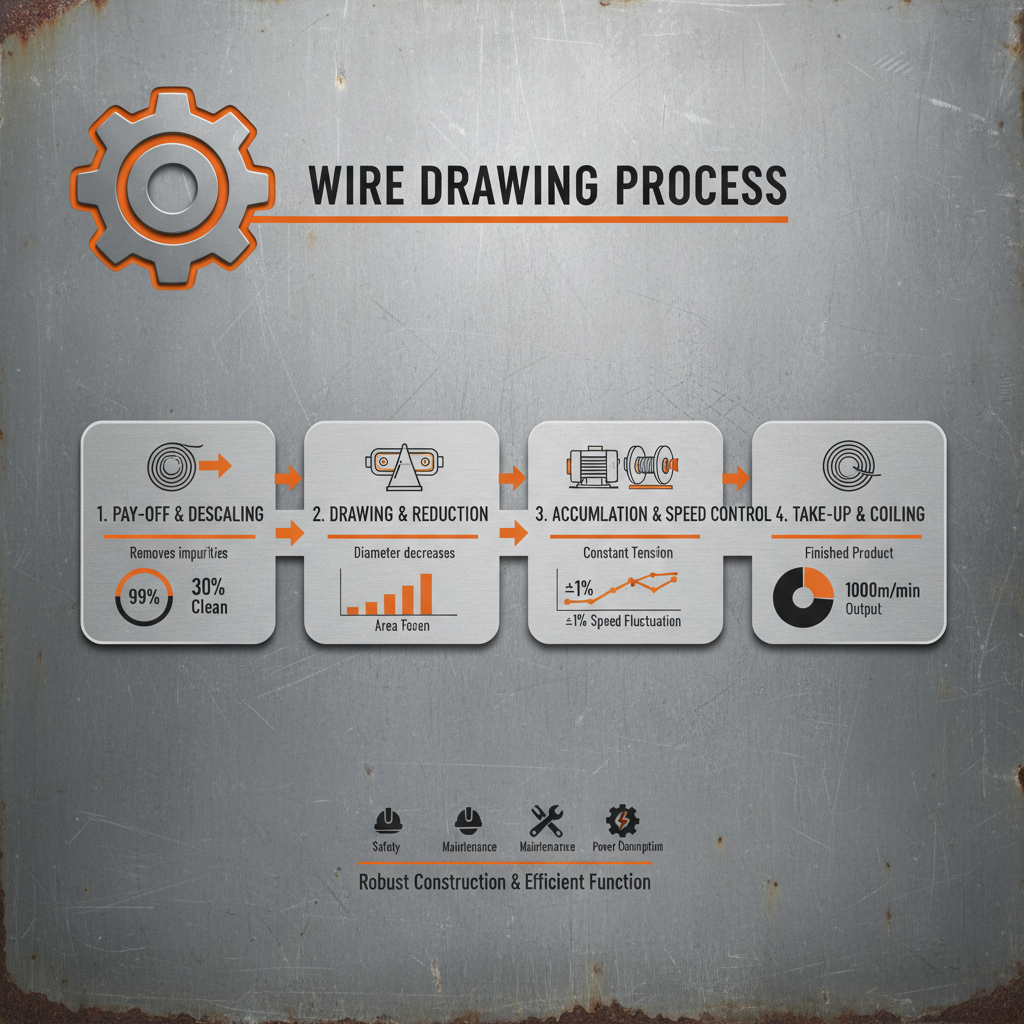
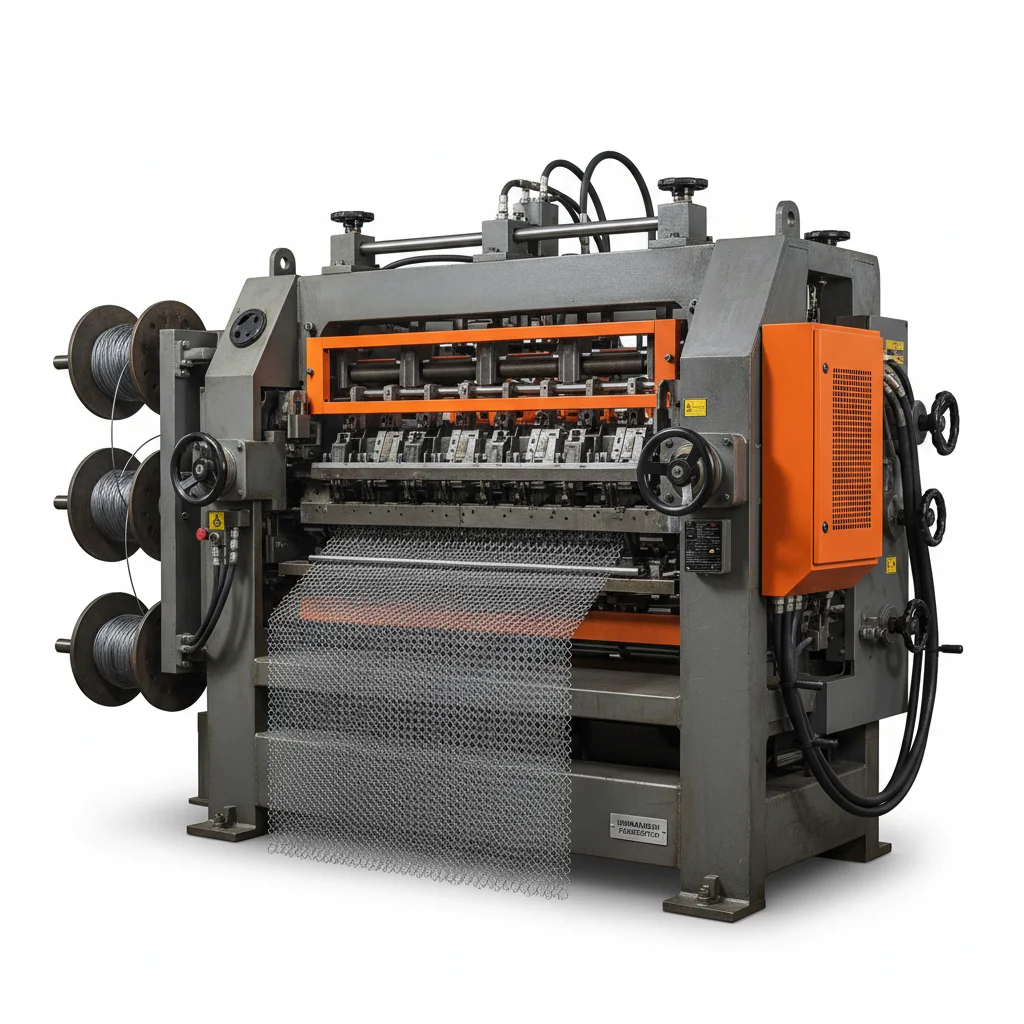
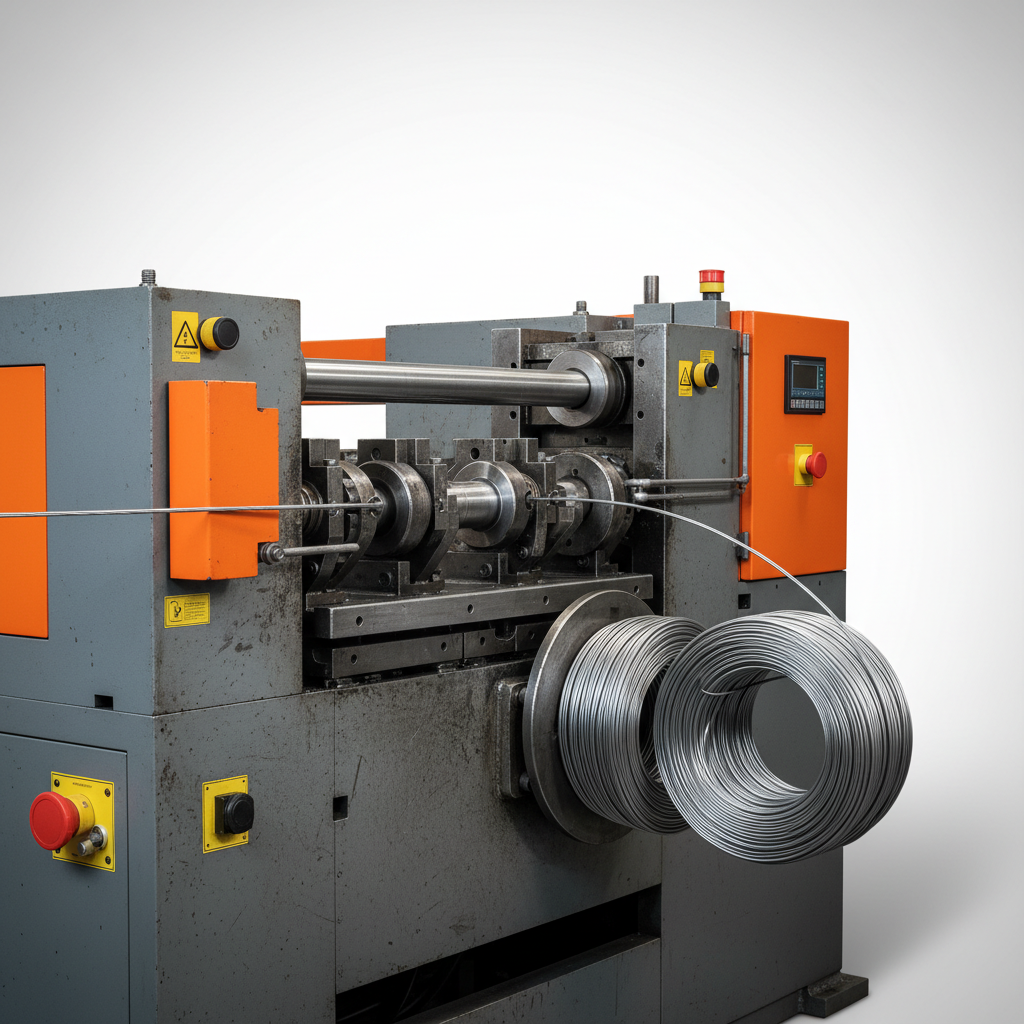
A typical wire drawing machine consists of several key components. These include the payoff stand, which feeds the wire into the drawing process; the drawing die, which reduces the wire's diameter; the capstan, which pulls the wire through the die; and the take-up reel, which collects the finished wire. Lubrication systems are also critical, reducing friction and wear on the die and wire.
The materials used in these components are carefully selected for their durability and resistance to wear. Drawing dies are commonly made from tungsten carbide, diamond, or polycrystalline diamond (PCD) due to their exceptional hardness and ability to withstand the high stresses involved. Capstans are often constructed from hardened steel or ceramic materials, while lubrication systems utilize specialized oils and coatings designed to minimize friction and prevent corrosion. The quality of these components significantly influences the efficiency and lifespan of the wire drawing machine process.
Beyond the core machinery, the choice of wire material itself is crucial. Depending on the application, the wire may be composed of carbon steel, stainless steel, copper, aluminum, or various alloys. Each material requires a specific die design and lubrication strategy to achieve optimal drawing results. The proper selection of both machinery components and raw materials is paramount to a successful wire drawing operation.
Key Factors Influencing wire drawing machine process Efficiency
Several factors significantly influence the efficiency of the wire drawing machine process. Die angle is critical; too steep an angle increases friction and die wear, while too shallow an angle reduces drawing force. Drawing speed must be optimized to balance production rate and material deformation, avoiding breakage or excessive heat buildup. Proper lubrication is paramount for reducing friction, extending die life, and ensuring a smooth wire surface.
Material properties also play a crucial role. The wire's ductility, tensile strength, and surface finish all affect its drawability. Careful control of these parameters, along with precise monitoring of drawing force and wire diameter, is essential for maintaining consistent quality and maximizing efficiency.
Impact of Different Parameters on wire drawing machine process Efficiency
Global Applications of the wire drawing machine process
The applications of wire drawing are incredibly diverse and span numerous industries worldwide. In the construction sector, drawn wire is vital for producing high-strength steel cables, reinforcing bars (rebar), and prestressing strands used in bridges, buildings, and infrastructure projects. In the automotive industry, it's essential for manufacturing tire cord, engine components, and various fasteners.
The electronics industry relies heavily on fine drawn wire for producing electrical conductors, connectors, and components used in everything from smartphones and computers to power grids and telecommunications networks. The medical field utilizes drawn wire for manufacturing surgical instruments, guidewires, and implantable devices. Across these sectors, demand for high-quality, precisely drawn wire continues to grow, driving innovation in wire drawing technology.
The Advantages and Economic Impact of wire drawing machine process
The wire drawing machine process offers numerous advantages, including increased material strength, improved surface finish, and precise dimensional control. Reducing wire diameter also lowers material costs and improves material utilization. The process allows for the creation of custom wire profiles and shapes, catering to specific application requirements.
Economically, efficient wire drawing operations translate to lower production costs, increased competitiveness, and higher profit margins for manufacturers. The process creates employment opportunities in manufacturing, engineering, and maintenance roles. Furthermore, the availability of high-quality drawn wire supports the growth of downstream industries, fostering economic development and innovation.
The development of advanced wire drawing technologies also contributes to sustainability by minimizing material waste, reducing energy consumption, and enabling the use of recycled materials. The long-term economic benefits are substantial, solidifying the wire drawing machine process as a cornerstone of modern manufacturing.
Future Trends and Innovations in wire drawing machine process
Several emerging trends are poised to reshape the future of wire drawing. Automation and the integration of Industry 4.0 technologies, such as artificial intelligence (AI) and machine learning (ML), are enabling real-time monitoring, predictive maintenance, and optimized process control. This leads to increased efficiency, reduced downtime, and improved product quality. wire drawing machine process is becoming smarter.
The development of new materials, including high-strength alloys and advanced composites, is driving demand for innovative wire drawing techniques. Furthermore, there's a growing focus on sustainability, with research underway to develop more energy-efficient machines and environmentally friendly lubricants. These advancements promise to make the wire drawing process more efficient, versatile, and sustainable.
Digitalization is also playing a role, with the implementation of digital twins and virtual simulations allowing manufacturers to optimize processes and reduce risks before physical implementation. These trends point to a future where wire drawing is characterized by greater precision, efficiency, and sustainability.
Summary of Key Challenges and Solutions in wire drawing machine process
| Challenge | Impact on wire drawing machine process | Proposed Solution | Implementation Difficulty (1-5, 5=High) |
|---|
| Die Wear | Reduced wire quality, increased downtime | Utilize PCD dies, optimized lubrication | 3 |
| Friction | Increased energy consumption, heat buildup | Advanced coating technology, specialized lubricants | 2 |
| Material Inconsistency | Variations in wire properties | Implement strict quality control measures | 4 |
| Process Monitoring | Lack of real-time data for optimization | Integrate sensors and data analytics | 3 |
| Energy Consumption | High operational costs, environmental impact | Optimize machine design, utilize energy-efficient motors | 2 |
| Operator Skill Gap | Potential for errors, reduced efficiency | Enhanced training programs, automated controls | 4 |
FAQS
Die life is significantly impacted by several factors, including the hardness and abrasive nature of the wire material, the quality of lubrication, the drawing speed, and the die material itself. Using high-quality die materials like PCD, optimizing lubrication systems, and controlling drawing parameters can drastically extend die life, reducing downtime and costs. Regular die inspection and maintenance are also crucial for detecting wear patterns early.
The lubricant plays a vital role in reducing friction between the wire and the die, minimizing heat generation, and preventing surface damage. The ideal lubricant must possess excellent film strength, high temperature stability, and compatibility with both the wire material and the die material. Improper lubrication can lead to increased die wear, surface defects on the wire, and even wire breakage.
Common surface defects include scratches, cracks, and scale. These can be caused by insufficient lubrication, contaminated lubricant, worn dies, or improper drawing parameters. Prevention involves maintaining a clean working environment, using high-quality lubricants, regularly inspecting and replacing dies, and carefully controlling drawing speed and tension.
Automation streamlines the wire drawing process by reducing manual intervention, improving process control, and minimizing downtime. Automated systems can precisely control drawing speed, tension, and lubrication, leading to consistent wire quality. Automated inspection systems can quickly detect defects, while predictive maintenance features can prevent unplanned machine stoppages.
Wire drawing machines involve moving parts and high forces, requiring strict safety protocols. Operators should always wear appropriate personal protective equipment (PPE), including safety glasses, gloves, and hearing protection. Machine guarding must be in place to prevent contact with moving parts. Emergency stop buttons should be readily accessible, and regular safety inspections should be conducted.
The material composition of the wire dictates the hardness and abrasive properties, which directly affect die selection. Softer metals like aluminum require less robust dies, while harder materials like high-carbon steel necessitate dies made from exceptionally wear-resistant materials like tungsten carbide or PCD. Mismatched materials can lead to rapid die wear or damage to the wire surface.
Conclusion
The wire drawing machine process stands as a foundational technology in modern manufacturing, influencing a vast spectrum of industries from construction to electronics. Its ability to refine metal wires to precise dimensions and enhance their mechanical properties is vital for countless applications. By understanding the principles, components, and challenges associated with this process, engineers and manufacturers can optimize operations, improve product quality, and foster innovation.
Looking forward, advancements in automation, materials science, and sustainability will continue to shape the future of wire drawing. Embracing these trends will be critical for maintaining competitiveness and meeting the evolving demands of the global marketplace. Visit our website at www.htmeshmachines.com to learn more about our cutting-edge wire drawing solutions.