Stone crusher mesh, a critical component in numerous industrial processes, particularly within the mining, quarrying, and aggregate production sectors, plays a vital role in material separation and size reduction. Its ability to withstand extreme stress and abrasion is paramount for efficient and cost-effective operations globally. Understanding its specifications, applications, and the advancements in its manufacturing is crucial for optimizing industrial workflows and ensuring product quality.
The global demand for stone crusher mesh is directly correlated with infrastructure development, urbanization, and resource extraction activities. Regions experiencing rapid economic growth, such as Asia-Pacific and parts of Africa, exhibit the highest demand. Challenges associated with sourcing high-quality, durable mesh and maintaining consistent performance are driving innovation in materials and manufacturing techniques. The importance of selecting the appropriate mesh for specific crushing applications cannot be overstated.
Ultimately, utilizing optimized stone crusher mesh translates to increased production efficiency, reduced downtime, and improved overall profitability for industries reliant on material processing. The evolution of this seemingly simple component continues to impact diverse sectors, from construction to agriculture.
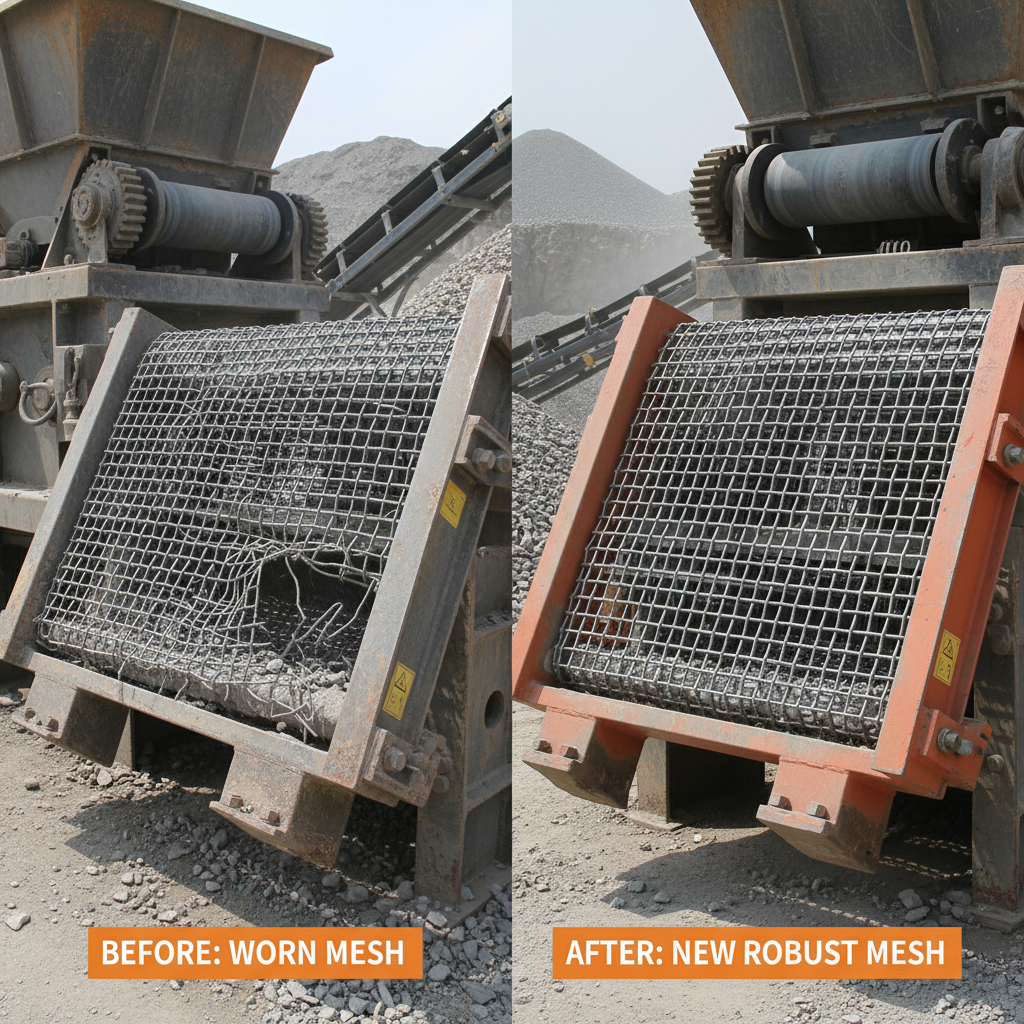
The Importance of Stone Crusher Mesh in Global Industries
Stone crusher mesh acts as the foundational element in many size-reduction processes. Without reliable and correctly specified mesh, crusher efficiency plummets, leading to increased operational costs and potentially damaging machinery. Its role extends far beyond simple screening; it dictates the final product’s granularity and consistency, crucial for construction materials, road building, and specialized applications.
The demand for high-performing stone crusher mesh is experiencing steady growth, mirroring the global expansion of infrastructure projects. As populations increase and urbanization accelerates, the need for aggregates and processed minerals intensifies, placing a greater emphasis on the quality and durability of the mesh utilized in these processes.
Defining Stone Crusher Mesh: Specifications & Construction
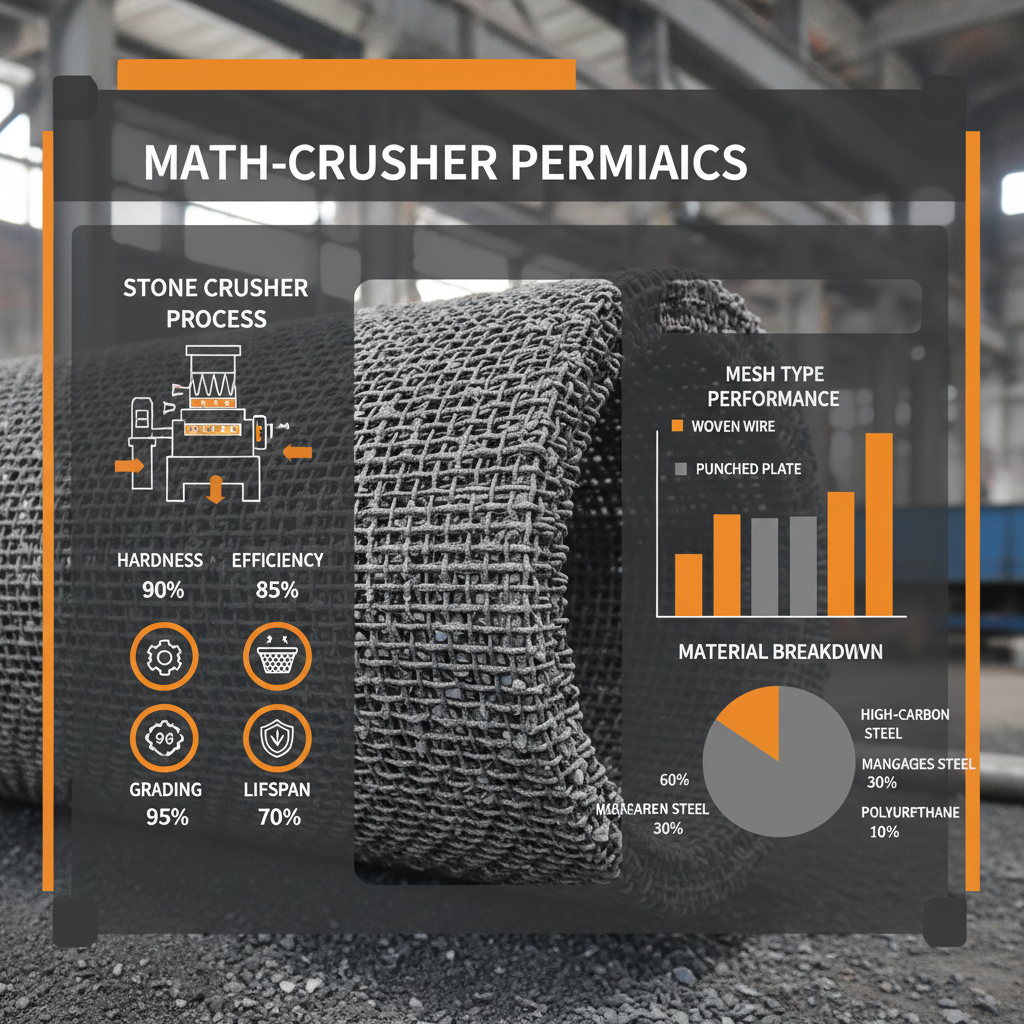
Stone crusher mesh is typically constructed from hardened steel alloys, designed to resist the abrasive forces encountered during crushing operations. The mesh size, or aperture, is meticulously engineered to allow smaller particles to pass through while retaining larger ones. This determines the grading of the final product. Common mesh sizes range from coarse (several inches) to extremely fine (millimeters).
The construction method is also critical. Woven wire mesh, welded wire mesh, and perforated plates are common configurations, each offering varying levels of strength, durability, and cost-effectiveness. The choice depends on the specific application, the type of material being crushed, and the desired throughput rate. Proper material selection and manufacturing processes directly impact the mesh’s lifespan and performance.
Understanding mesh specifications—including wire diameter, aperture size, and material composition—is fundamental to ensuring optimal performance and preventing premature failure. A properly selected mesh will contribute significantly to the longevity and efficiency of the entire crushing system.
Key Factors Influencing Stone Crusher Mesh Performance
Durability is arguably the most critical factor. The constant impact and abrasion from rocks and minerals necessitate a mesh constructed from high-tensile strength materials and robust manufacturing techniques. Frequent replacements translate to downtime and increased costs, making initial investment in quality mesh a prudent decision.
Aperture size dictates the grading of the final product and directly influences the efficiency of the crushing process. Selecting the correct aperture for the desired particle size distribution is paramount. Too small an aperture can lead to clogging and reduced throughput; too large an aperture results in inconsistent grading.
Corrosion resistance is another significant factor, especially in harsh environmental conditions. Mesh exposed to moisture, salt spray, or corrosive chemicals requires specialized coatings or alloy compositions to prevent degradation and maintain structural integrity. Using the correct material for the application can greatly improve the longevity and performance of stone crusher mesh.
Global Applications of Stone Crusher Mesh
Stone crusher mesh finds widespread application across various sectors. In the construction industry, it is essential for producing aggregates used in concrete, asphalt, and road base materials. Quarrying operations rely heavily on mesh to separate different sizes of rock, maximizing resource utilization.
The mining sector utilizes stone crusher mesh extensively in ore processing, separating valuable minerals from waste rock. Recycling facilities employ mesh to sort and classify different types of materials, recovering valuable resources from waste streams. Additionally, agricultural applications, such as soil preparation and compost screening, benefit from the consistent particle size achieved using this technology.
From large-scale industrial operations in North America and Europe to smaller-scale crushing plants in developing nations, the need for reliable and efficient stone crusher mesh remains consistently high. In remote industrial zones, the availability of durable mesh is crucial for maintaining uninterrupted production.
Stone Crusher Mesh Performance by Method
Advantages & Long-Term Value Proposition
Investing in high-quality stone crusher mesh delivers significant cost savings over the long term. Reduced downtime, minimized maintenance, and extended lifespan translate to increased productivity and profitability. Furthermore, consistent particle size distribution improves product quality, enhancing customer satisfaction.
Sustainability is another key advantage. Efficient crushing processes minimize waste and maximize resource utilization, aligning with environmental best practices. By reducing the need for frequent replacements, a durable mesh contributes to a lower carbon footprint.
Future Trends & Innovation in Mesh Technology
The future of stone crusher mesh lies in the development of advanced materials and manufacturing techniques. Self-cleaning mesh designs, incorporating anti-clogging features, are gaining traction. The integration of sensor technology to monitor mesh wear and predict failure is also emerging.
Smart mesh systems, coupled with predictive maintenance algorithms, will optimize performance and minimize unplanned downtime. The exploration of composite materials and innovative coatings promises to enhance durability and corrosion resistance further. The industry is increasingly focused on developing sustainable mesh solutions that minimize environmental impact.
Common Challenges & Innovative Solutions
A common challenge is premature mesh failure due to abrasive wear and impact damage. Innovative solutions include the use of tungsten carbide inserts and specialized alloy compositions to enhance resistance. Another issue is clogging, particularly when processing sticky or wet materials.
Advanced mesh designs incorporating vibration systems and self-cleaning features address this problem effectively. Proper mesh selection, tailored to the specific application and material characteristics, is crucial for preventing these challenges. Regularly inspecting and maintaining the mesh is also vital for prolonging its lifespan.
Utilizing stone crusher mesh with a proactive maintenance plan can yield substantial long-term benefits, maximizing operational efficiency and minimizing costly repairs.
Analysis of Stone Crusher Mesh Characteristics & Performance
| Mesh Material Composition |
Aperture Size (mm) |
Wear Resistance Score (1-10) |
Cost-Effectiveness Rating (1-10) |
| High-Carbon Steel |
25 |
7 |
8 |
| Stainless Steel 304 |
10 |
6 |
6 |
| Hardened Alloy Steel |
50 |
9 |
7 |
| Polyurethane Composite |
15 |
5 |
9 |
| Tungsten Carbide Inserted |
30 |
10 |
5 |
| Manganese Steel |
40 |
8 |
7 |
FAQS
The optimal mesh size for granite crushing depends heavily on the desired end-product granularity. Generally, for producing coarse aggregate, a mesh size between 25mm and 50mm is suitable. For finer aggregates used in concrete, a smaller aperture, around 10mm to 20mm, is preferred. Proper calibration is essential to avoid clogging and maximize efficiency.
The replacement frequency depends on the abrasive nature of the material being crushed, the intensity of use, and the quality of the mesh. Regular inspections are crucial. As a general guideline, monitor for significant wear, deformation, or cracks. Replacing the mesh proactively prevents damage to the crusher and maintains consistent product quality. Typically, replacement may be required every 3 to 6 months in heavy-duty applications.
Stainless steel mesh offers excellent corrosion resistance, making it ideal for environments with high moisture or exposure to corrosive chemicals. While generally less wear-resistant than hardened steel alloys, it is easier to clean and maintain, reducing downtime. It's often preferred in applications where hygiene is critical or where the crushed material contains corrosive elements.
Clogging can be prevented by selecting the correct mesh size for the material being processed, ensuring the material is adequately dry, and using mesh designs with anti-clogging features like vibration systems or wider aperture patterns. Regular cleaning and inspection are also vital. Consider using a pre-screening process to remove larger debris before it reaches the primary crushing stage.
Cost varies significantly depending on the material. High-carbon steel is generally the most affordable, while stainless steel and tungsten carbide-inserted mesh are considerably more expensive. Polyurethane composite offers a middle ground, balancing cost and performance. The total cost of ownership should be considered, factoring in lifespan, maintenance, and replacement frequency.
Generally, yes, but it’s critical to verify compatibility. Check the mesh dimensions (width, length, thickness) and ensure they align with the crusher's specifications. Using incompatible mesh can lead to reduced efficiency, increased wear, or even damage to the crusher. Always consult the crusher manufacturer’s recommendations.
Conclusion
In conclusion, stone crusher mesh remains a fundamental, yet often underestimated, component in countless industrial processes. Its performance directly impacts operational efficiency, product quality, and long-term profitability. Understanding the key factors influencing mesh selection—material composition, aperture size, durability, and cost-effectiveness—is crucial for optimizing crushing operations.
Looking ahead, continued innovation in materials science and manufacturing techniques will drive the development of more durable, efficient, and sustainable stone crusher mesh solutions. Investing in high-quality mesh, coupled with proactive maintenance and informed decision-making, will ensure optimal performance and a competitive advantage in the ever-evolving landscape of material processing. For optimized stone crusher mesh, visit our website today.