Barbed wire fence types are a surprisingly vital element in global security, agriculture, and animal management. From protecting livestock and delineating property lines to securing national borders, these fences play a crucial role in countless applications worldwide. Understanding the different types, their strengths, and their limitations is paramount for effective implementation and long-term cost savings. This knowledge is essential for farmers, ranchers, security professionals, and governmental agencies alike, particularly as geopolitical landscapes and agricultural demands evolve.
The global market for barbed wire is substantial, driven by ongoing needs in the agricultural sector, increasing security concerns, and infrastructure development. According to market research reports, the industry is projected to continue growing steadily, with a particular emphasis on high-tensile barbed wire and innovative coatings designed for extended lifespan and resistance to harsh environmental conditions. This growth is coupled with a rising demand for efficient fencing solutions in developing nations, emphasizing the global relevance of understanding diverse barbed wire fence types.
Choosing the right barbed wire fence type isn’t just about cost; it’s about security, durability, animal welfare, and long-term maintenance. Improper selection can lead to frequent repairs, compromised security, and potential harm to livestock. A comprehensive understanding of the available options is therefore crucial for making informed decisions that align with specific needs and budget constraints, ensuring effective and sustainable fencing solutions.
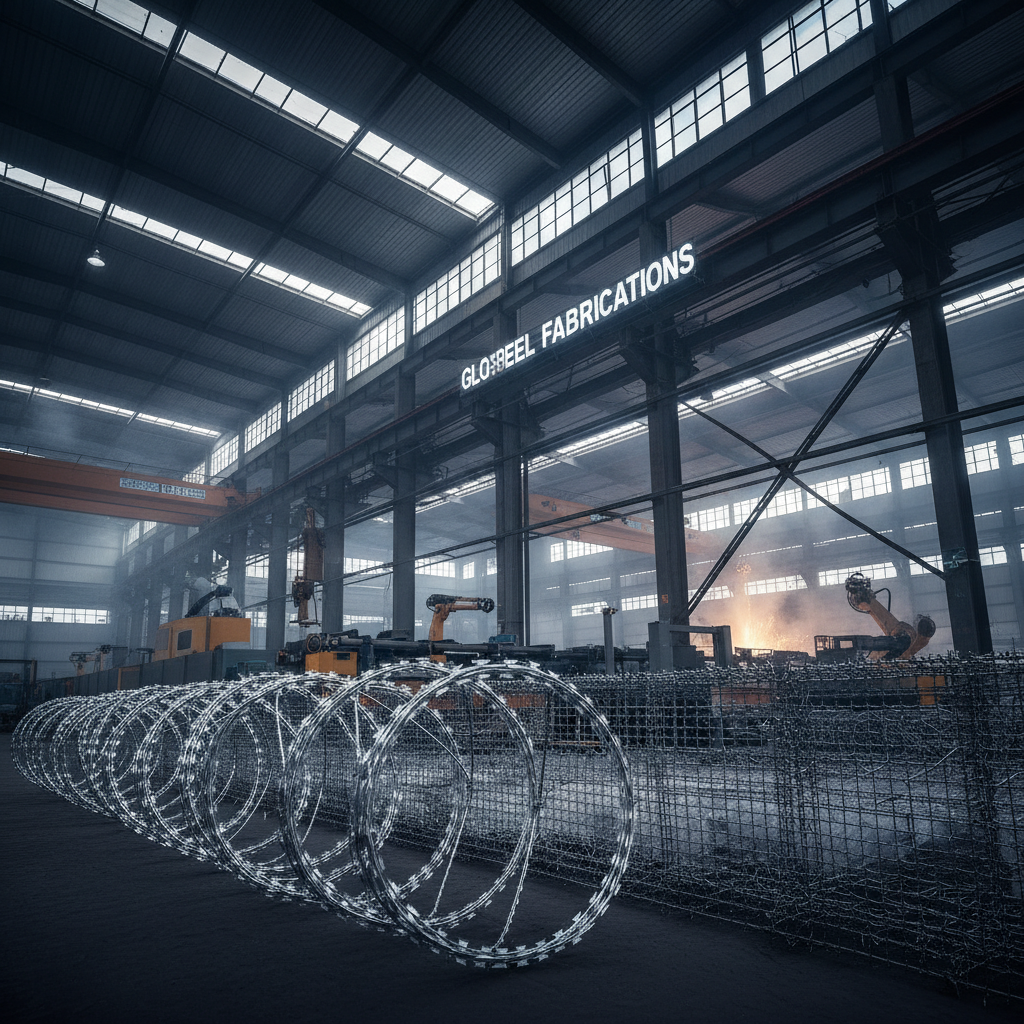
The Importance of Understanding Barbed Wire Fence Types
Different environments and applications require vastly different barbed wire fence types. For instance, a rancher in a high-humidity climate needs a wire resistant to corrosion, while a security firm protecting a high-value asset requires a high-tensile, difficult-to-cut fence. Simply put, a “one-size-fits-all” approach is rarely effective. Understanding the nuances of each type allows for a targeted solution that maximizes security and minimizes long-term costs.
Moreover, understanding barbed wire fence types extends beyond the wire itself. Proper post spacing, anchoring techniques, and the integration of complementary features like electric fencing all contribute to the overall effectiveness of a barrier. A well-informed approach considers the entire system, ensuring a cohesive and resilient solution tailored to specific requirements.
Defining Barbed Wire Fence Types
Barbed wire fence types fundamentally consist of strands of wire with sharp protrusions or barbs strategically placed along their length. These barbs serve as a deterrent to trespassers or animals, creating a physical and psychological barrier. However, the specifics – the gauge of the wire, the spacing and shape of the barbs, the tensile strength, and the coating material – define the various types available. This classification allows for selecting the appropriate fence for a particular purpose, from containing livestock to securing perimeters.
Historically, barbed wire revolutionized ranching and agriculture, enabling efficient and cost-effective land management. Today, its application extends far beyond agricultural settings. From securing correctional facilities and military installations to providing perimeter security for industrial sites, barbed wire remains a widely used and adaptable security solution.
The evolution of barbed wire fence types has also focused on animal welfare. Newer designs incorporate features aimed at minimizing injuries to livestock while still providing a secure barrier. This includes variations in barb spacing and the use of specialized coatings to reduce the risk of abrasions and infections.
Core Components of Barbed Wire Fence Types
Durability is a critical component of any barbed wire fence type. Factors such as wire gauge (thickness), coating quality (galvanization, PVC), and tensile strength determine its resistance to weathering, corrosion, and physical damage. Higher gauge wires and robust coatings contribute to a longer lifespan and reduced maintenance costs.
Scalability refers to the ability to adapt the fence to varying terrain and security needs. Different post materials (wood, steel, fiberglass) and spacing options allow for customization based on the site's specific characteristics. The capacity to add additional strands of wire or integrate electric fencing further enhances scalability.
Cost-efficiency is a primary consideration for many users. While higher-quality materials generally come with a higher initial price tag, they often result in lower long-term costs due to reduced maintenance and replacement needs. Evaluating the total cost of ownership, rather than just the upfront expense, is crucial.
Practical Applications and Use Cases
In agriculture, barbed wire fence types are essential for containing livestock, preventing crop damage from wild animals, and defining property boundaries. Different types are used depending on the animal being contained; for example, high-tensile wire is commonly used for horses, while lower-gauge wire may suffice for cattle.
Security applications range from protecting industrial sites and correctional facilities to securing national borders. High-security barbed wire, often featuring smaller barb spacing and increased tensile strength, is preferred in these scenarios. Perimeter security often benefits from integrated systems combining barbed wire with surveillance technology.
Beyond these primary applications, barbed wire fence types are used in erosion control, land reclamation projects, and even temporary barriers for crowd control during events. In post-disaster relief operations, temporary barbed wire fences can help secure aid distribution centers and protect vulnerable populations.
Barbed Wire Fence Type Performance Ratings
Advantages and Long-Term Value
The primary advantage of barbed wire fence types lies in their cost-effectiveness as a deterrent. Compared to other fencing options, barbed wire offers a high level of security at a relatively low cost, making it accessible for a wide range of applications. Furthermore, the psychological deterrent effect often prevents unauthorized access without requiring physical confrontation.
From a sustainability standpoint, barbed wire fences can last for decades with minimal maintenance, particularly when constructed with high-quality materials and proper installation techniques. The longevity of these fences reduces the need for frequent replacements, minimizing environmental impact and long-term expenses.
Future Trends and Innovations
Emerging trends in barbed wire fence types include the development of more animal-friendly designs with reduced barb spacing and specialized coatings to minimize injuries. There's also a growing interest in integrating smart technology, such as sensors and alarms, into barbed wire fences for enhanced security and remote monitoring capabilities.
Materials science is also playing a role, with researchers exploring the use of new alloys and coatings that offer increased corrosion resistance and tensile strength. Sustainable manufacturing practices are gaining prominence, focusing on reducing the environmental impact of barbed wire production and promoting the use of recycled materials.
The future also holds potential for integrating renewable energy sources, such as solar power, to operate electric fences powered by barbed wire systems. This would reduce reliance on traditional power grids and contribute to more sustainable security solutions.
Challenges and Solutions
One of the main challenges associated with barbed wire fence types is the potential for injury to animals or humans. Careful selection of wire type, proper installation, and regular maintenance are essential to mitigate this risk. Additionally, some areas have regulations restricting the use of barbed wire in certain situations.
Corrosion remains a significant concern, particularly in harsh environments. Utilizing galvanized steel wire, PVC-coated wire, or other corrosion-resistant materials can extend the lifespan of the fence. Regular inspections and prompt repairs are also crucial for preventing costly replacements.
To address these challenges, ongoing research and development are focused on creating more humane and durable barbed wire fence types. Educational programs and best practice guidelines can also help ensure that fences are installed and maintained safely and effectively, minimizing risks and maximizing long-term value.
A Comparison of Key Barbed Wire Fence Type Characteristics
| Fence Type |
Tensile Strength (Rating 1-10) |
Corrosion Resistance (Rating 1-10) |
Animal Welfare (Rating 1-10) |
| Standard Galvanized Barbed Wire |
7 |
6 |
5 |
| High-Tensile Barbed Wire |
9 |
7 |
4 |
| PVC Coated Barbed Wire |
7 |
9 |
6 |
| 12.5 Gauge Barbed Wire |
8 |
6 |
5 |
| Low-Barb Barbed Wire |
6 |
7 |
7 |
| Stainless Steel Barbed Wire |
8 |
10 |
5 |
FAQS
For containing large livestock like cattle, high-tensile barbed wire is generally recommended. Its strength and durability prevent animals from breaking through, and the spacing of the barbs is effective at deterring them. Regular inspection and proper post spacing are also crucial for maintaining a secure containment system. Consider a wire gauge of 12.5 or lower for optimal performance.
The lifespan of a barbed wire fence depends heavily on the materials used and the environmental conditions. A properly installed fence made with galvanized steel wire can last 20-30 years, while PVC-coated wire can last even longer. Regular maintenance, including tightening wires and replacing damaged components, is essential for maximizing its lifespan. Coastal areas or regions with harsh winters require more frequent inspections.
The humane aspect of barbed wire fencing is a valid concern. While effective, traditional barbed wire can cause injuries to animals. Opting for low-barb wire or incorporating smooth wire at the bottom of the fence can reduce the risk of injury. Regular inspections to remove any sharp protrusions and careful animal management practices are also crucial. Electric fencing can be used in conjunction to deter animals without causing harm.
Galvanized barbed wire is coated with zinc to protect against rust and corrosion. PVC coated barbed wire has an additional layer of polyvinyl chloride (PVC) plastic over the galvanized coating. PVC coating provides superior corrosion resistance, particularly in harsh environments, and also offers some insulation against electrical current. However, PVC coated wire is typically more expensive than galvanized wire.
Yes, local regulations regarding barbed wire fencing vary significantly. Some areas may have restrictions on the height of the fence, the spacing of the barbs, or its use near public roadways or pedestrian areas. It's crucial to check with local authorities or a fencing professional to ensure compliance with all applicable laws and ordinances before installation. Permits may also be required.
A barbed wire fence should be inspected at least twice a year—ideally in the spring and fall—for signs of damage, corrosion, or loose wires. Tighten any loose wires, repair broken posts, and replace damaged sections promptly. Regular maintenance prevents small problems from escalating into costly repairs and ensures the fence continues to provide effective security and containment. Areas prone to extreme weather should be inspected more frequently.
Conclusion
In conclusion, understanding the diverse range of barbed wire fence types is critical for making informed decisions across numerous sectors, from agriculture and security to environmental management. The choice of fence significantly impacts cost-effectiveness, durability, animal welfare, and long-term maintenance requirements. By considering factors like tensile strength, corrosion resistance, and the specific application, users can select the optimal solution for their needs.
Looking ahead, innovations in materials science and smart technology promise to further enhance the performance and sustainability of barbed wire fencing. Investing in high-quality materials, proper installation techniques, and proactive maintenance will continue to be essential for maximizing the lifespan and effectiveness of these vital barriers. To learn more about selecting the right barbed wire fence types for your specific application, visit our website: www.htmeshmachines.com.